
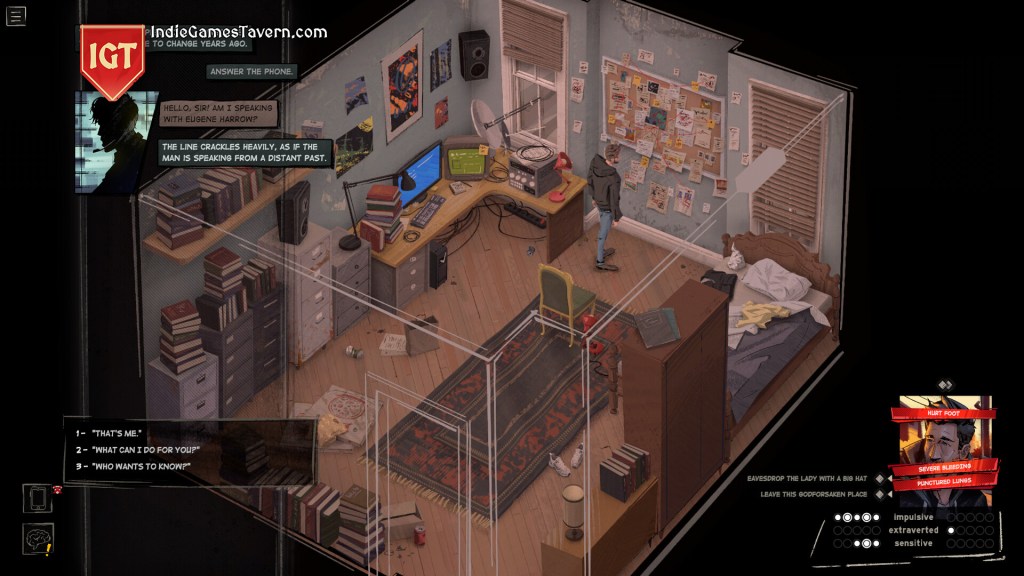
In the world of indie games, it’s rare to find a title that tackles mental health, emotional complexity, and narrative experimentation under one roof. Rue Valley aims to do just that. Developed by Emotion Spark Studio and published by Owlcat Games, this indie narrative RPG thrusts you into a time loop where your mind and memories are as much a battlefield as any external threat.
Though not yet fully released (planned for November 11, 2025), the demo offers a compelling glimpse into what Rue Valley may become. In this indie game review, let’s dig into what the game does well, where it needs polish, and whether it stands up to high expectations in the indie RPG space.
Premise & Narrative Foundations
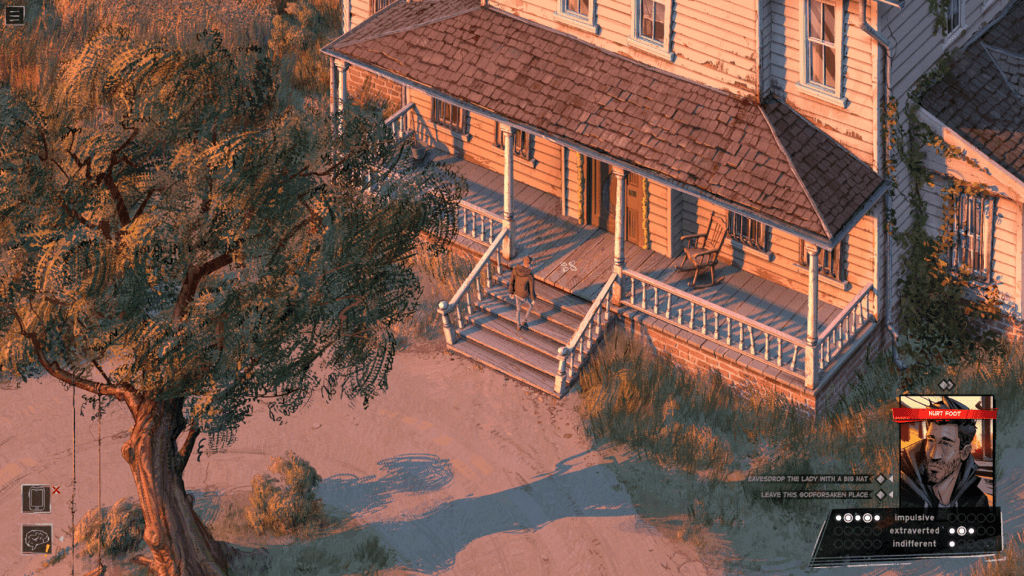
Rue Valley positions you as a man trapped in a time loop in a small, eerie town called Rue Valley. Each day resets, and you must piece together the mystery of the loop—and your own psyche—while interacting with a colorful cast of characters, each with complicated emotional stories hiding secrets.
What distinguishes Rue Valley is how it integrates mental health themes into its narrative. The developers have taken pains to treat these subjects sensitively, working with medical professionals and even partnering with Movember (a men’s health organization) to reduce stigma around mental health coverage.
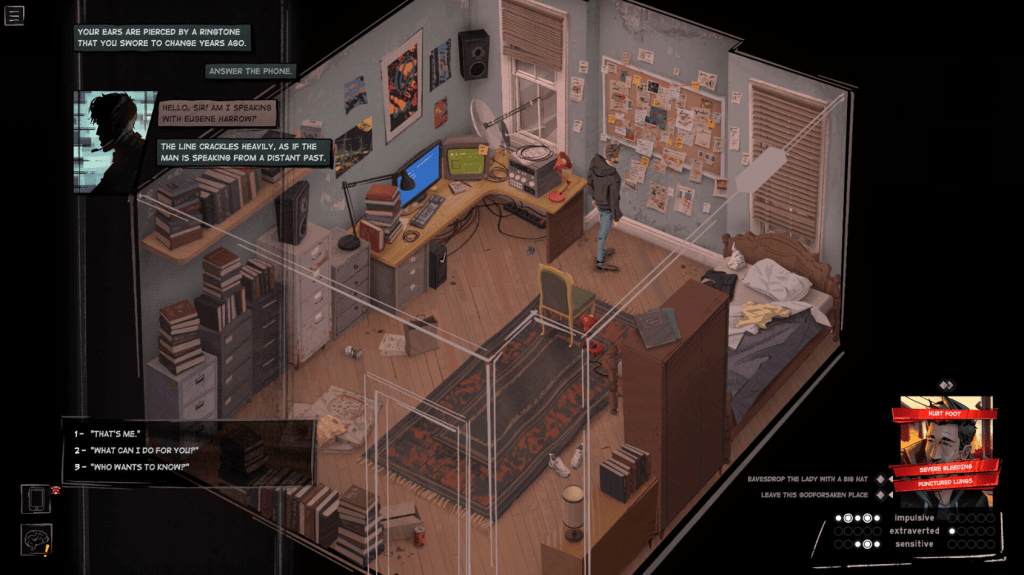
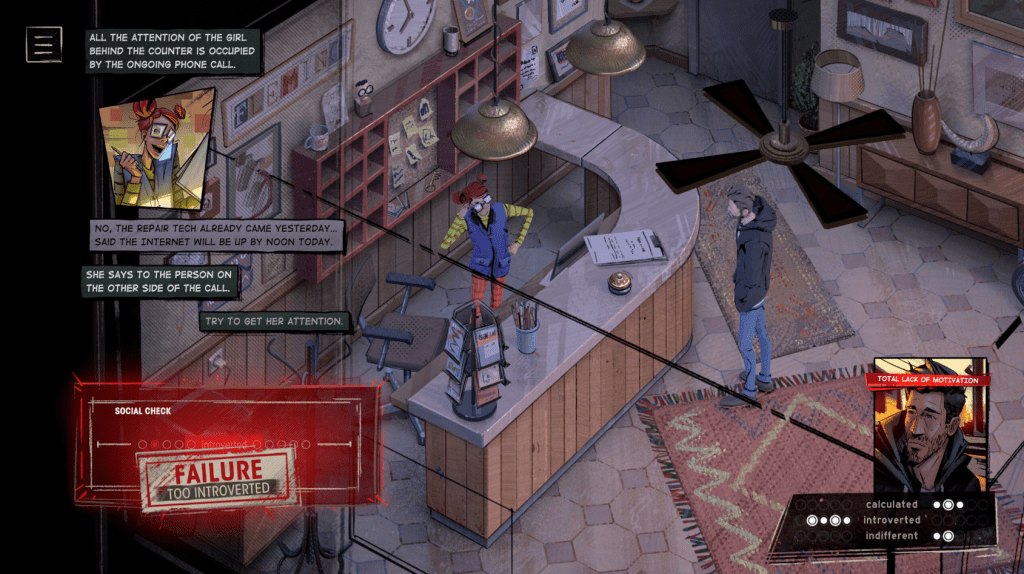
You’re not a blank slate in this game—you craft your personality, determining whether your avatar is introverted, anxious, brash, or something else entirely. As events unfold, your personality “graph” stores memories, unlocks intentions, and shifts your mindset. Status effects like “sensitive” or “outgoing when drunk” can change what dialogue options are available.
In short: Rue Valley is less about heroic quests and more about inner journeys. It promises a narrative that’s deeply personal, often messy, and ripe with choices and consequences.
Gameplay & Systems: What the Demo Reveals
Because Rue Valley is still under development, we only have partial access via the demo. But even what’s available provides enough to understand the core systems and ambitions.
1. Personality & Mind Graph
One of the game’s most intriguing mechanics is how it tracks your personality through a graph of memory nodes and intentions. As you make choices, different paths in this graph unlock. These changes affect not only dialogue but also your in-game approach.
This system encourages experimentation. You might replay similar scenes with different emotional states to see how outcomes shift—a hallmark of strong narrative design in indie games.
2. Dialogue & Branching Choices
Because the world is a loop, you’ll often revisit the same places but under different emotional or mental states. Dialogue options may change depending on how you’re feeling, which leads to different branches and reactions. The time-loop structure gives weight to repetition: you’re meant to learn, remember, and gradually shift how you engage with characters.
3. Status Effects & Emotional States
In the demo, there are status effects like “anxious,” “drunk,” or “sensitive,” which modulate how your avatar behaves or what dialogue options are unlocked. These dynamic modifiers help simulate the unpredictability of mental health.
4. Time Loop & Structure
Each loop resets your day, but the knowledge and personality growth persist. You explore, interact, and try to unravel what caused the time loop. The rhythm of resetting days encourages you to experiment: try a different choice, explore another path, or open new nodes in the personality graph.
However, some users on Reddit mention that time passing animations feel a bit long or slow in the demo, which can stretch pacing.
5. Visual & Art Style
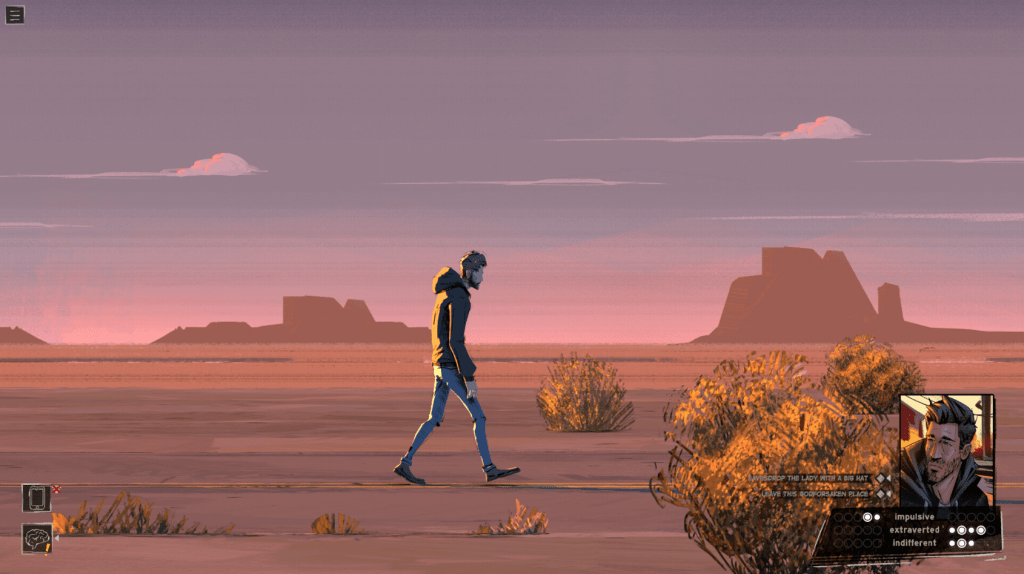
Rue Valley uses a blend of isometric and comic-book–inspired visuals. The art has hand-drawn touches, with bold lines and expressive characters that emphasize mood and emotion.
This visual style sets it apart from more “realistic” graphic RPGs. It helps emphasize the narrative’s surreal and introspective elements.
6. Platform & Performance
The demo reportedly works well on Steam Deck, albeit with some trade-offs in font sizes and readability on smaller screens.
Also, community discussions highlight known issues in the demo (bugs, readability, status effect display), which is expected in early builds.
Strengths & Highlights
From what’s available so far, Rue Valley offers several promising strengths that deserve attention in an indie game review:
- Emotional Authenticity: Unlike many RPGs that treat mental health as a theme, Rue Valley weaves it into the fabric of gameplay. Your internal state matters, and choices reflect emotional consequences.
- Narrative Depth & Replayability: The time-loop structure combined with branching personality paths invites multiple playthroughs to uncover hidden routes and secrets.
- Risk & Reward in Personality: Because your behavior changes with mood or status, there’s risk in playing certain emotions—dialogue options may be locked or unlocked depending on how you feel. That dynamic is rare and bold.
- Artistic Identity: The comic-inspired visuals and expressive character design help carry the game’s mood, giving it a distinct look among narrative RPGs.
Weaknesses & Risks
Of course, nothing is perfect—especially in pre-release builds. Here are some potential pitfalls and areas to watch:
- Demo Scope Is Limited: Because we only see early segments, it’s hard to evaluate long-form pacing, plot payoff, or whether character arcs will feel satisfying in full release.
- Animation & Pacing Issues: As noted by community feedback, some transitions or time-progress animations feel sluggish or drawn out.
- Balancing Branches & Personality Complexity: With many branching dialogue paths and emotional states, ensuring no route feels shallow or broken is a big design challenge.
- Localization / Readability: Some users report text size issues or alignment bugs (especially in the demo) which can impair readability.
Early Verdict & Recommendation
Based on the demo and available previews, Rue Valley is one of the most intriguing indie RPGs on the horizon. It carries emotional weight, narrative ambition, and systems that emphasize depth over simplicity. For readers of Indie Games Tavern who enjoy narrative-driven experiences, this is a title to wishlist right now.
Anticipated Score (based on demo): ~8.5 / 10
If you enjoy thoughtful indie games that don’t shy away from vulnerability and emotional complexity, Rue Valley is poised to be a standout. Keep an eye on it as it edges toward full release.
Rue Valley Review by Indie Games Tavern.
Your cozy corner of indie gems. We’re more than just a indie game review channel, we’re a sanctuary for the unsung heroes of indie gamedev. Born from a love of the underdog, the quirky, and the downright brilliant, the Indie Games Tavern is your trusty guildhall for discovering the finest indie games—those hidden gems, wild experiments, and heartfelt labors that big studios often overlook. Picture this: a weathered oak table laden with scrolls—each a indie game review penned by your tavern scribes, folks like me who’ve braved the pixelated wilds to bring you tales of triumph, terror, and everything in between.
 Indie Games Tavern
Leave a comment