
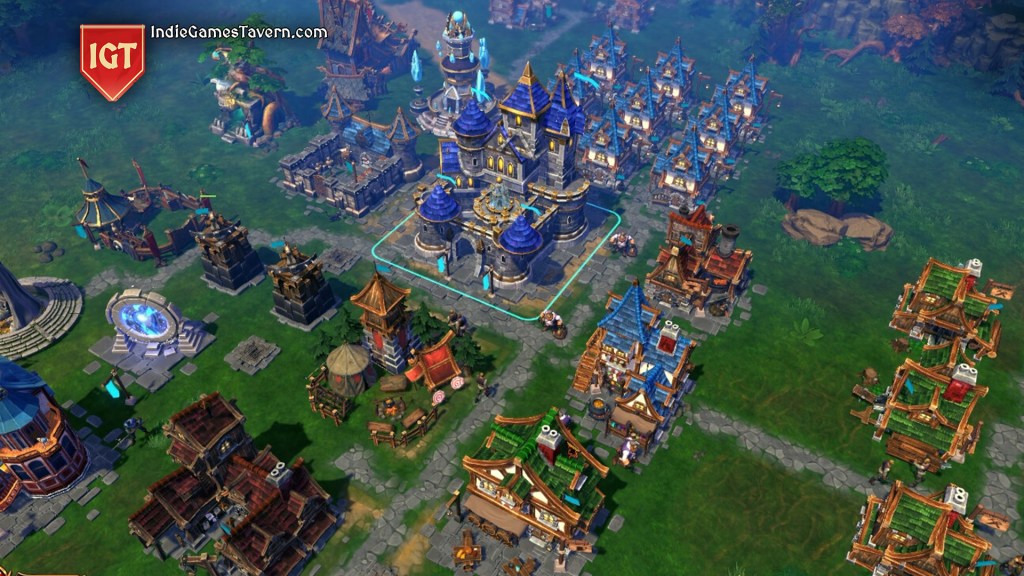
Hail, crown-wearing conquerors and realm-ruling visionaries, and welcome to Indie Games Tavern, where the throne room echoes with decrees, the ale brims with the weight of sovereignty, and the indie games crown like a king’s scepter! It’s Tuesday, October 21, 2025, and we’re raising our goblets to Lessaria: Fantasy Kingdom Sim.
In a gaming landscape saturated with real-time strategy titles where you micromanage every unit and building, Lessaria: Fantasy Kingdom Sim offers a refreshing twist. Developed by the indie team Rockbee Team and published by Polden Publishing, this game embraces the “indirect control” style popularized by classics like Majesty. While you build your magical kingdom, you don’t command your heroes directly—instead you incentivize them, hope they follow your cues, and adapt to the chaos they generate. The game launched on October 20 2025 on Steam.
In this review, we’ll explore what the game does right, what still needs work, and whether it’s worth your time as a fan of strategy and indie games. Claim your seat, sip your brew, and let’s reign over this indie game review dominion!
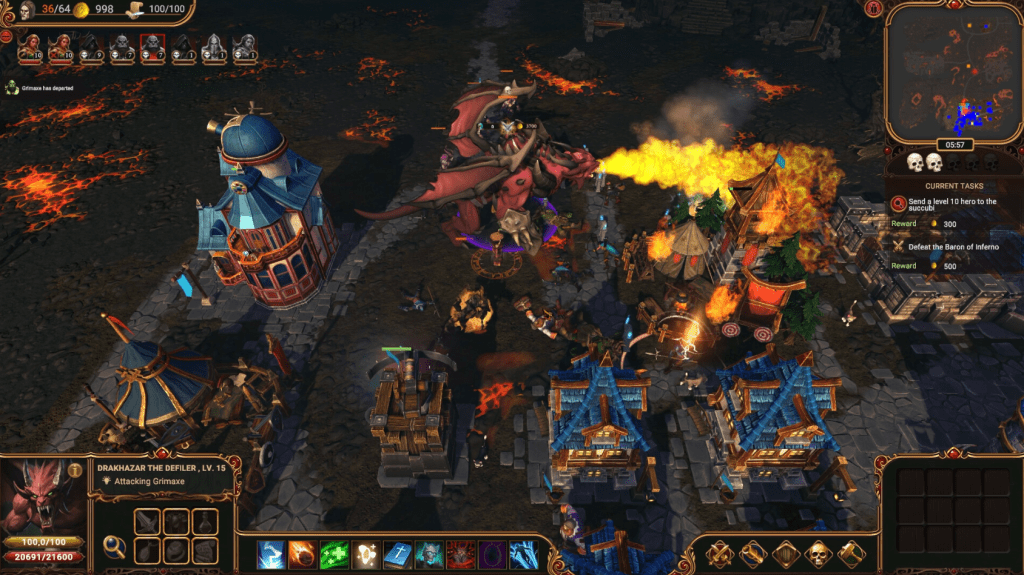
Core Concept & Gameplay
Lessaria positions itself as a spiritual successor to Majesty: you construct your kingdom, hire heroes, set bounties or influence goals, and then let your heroes roam, decide, live their own lives. From the Steam page:
“Lessaria is the spiritual successor to Majesty … You build a kingdom, hire heroes, and they live their own lives, doing whatever they please.”
Key gameplay elements include:
- Indirect Control: Rather than directing each hero’s movement, you assign tasks, place incentives (gold bounties) and motivations. Heroes choose what to do.
- Hero Squads & Abilities: The game introduces modern mechanics—group hero squads, unique hero traits, more tactical combat compared with classic Majesty.
- Kingdom Building & Economy: You establish a base—farms, markets, guilds, guard towers—and manage resources. Heroes roam, consume services, bring gold back via taxes. According to one review: “Knights defend roads, thieves sneak back piles of gold, mages blow themselves up … it feels alive, unpredictable.”
- Campaign & Sandbox Modes: The game offers structured campaign missions as well as sandbox freedom.
Essentially, Lessaria wants to give you the feeling of being a monarch, not a micromanager—let the heroes live their lives, you just provide the framework.
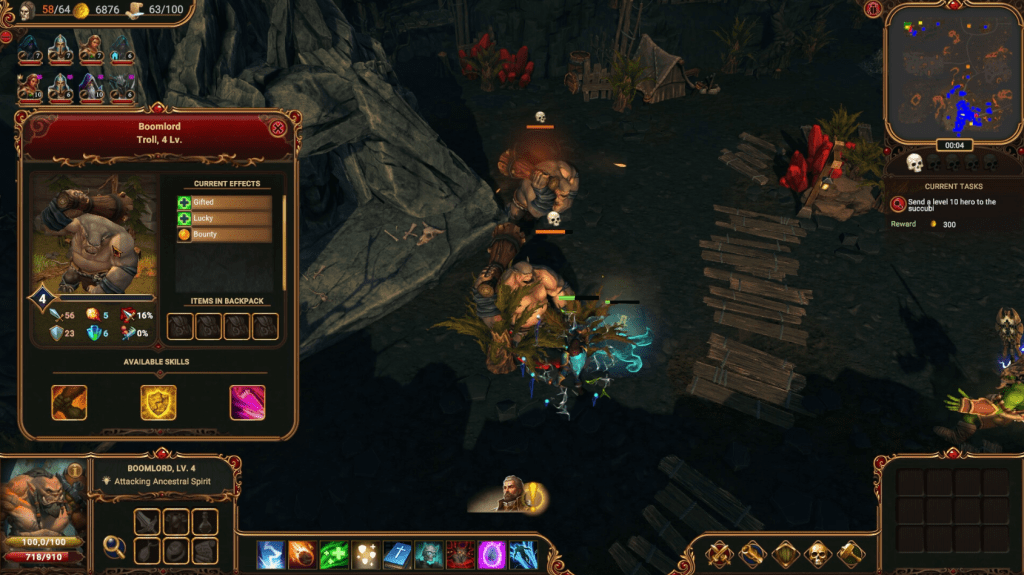
Strengths
1. Nostalgic Appeal Done Well
For fans of Majesty, Lessaria hits many of the right notes—indirect control mechanics, heroes with personalities, unpredictable outcomes. Reddit threads repeatedly highlight the return of the original “Advisor” voice actor from Majesty.
2. Hero Freedom & Emergent Gameplay
One of the more compelling aspects is that your heroes might obey your bounties, or they might ignore them—creating moments of chaos, humour, and delight. From a preview:
“Your job is to give them reasons to do what you want. … Every order costs gold, so it turns every move into a real choice.”
This emergent behaviour is rare in many RTS games.
3. Modernizing an Old Formula
Rather than just copying, Lessaria brings in fresh mechanics: hero squads, perks, more explicit combat system, economy loops where heroes pay the kingdom via taxes, etc.
4. Strong Indie Identity
As an indie games review often values: this is clearly not a massive AAA strategy with thousands of mechanics—rather, it’s an ambitious smaller studio recreating a beloved niche formula for modern times. That sets it apart.

Areas for Improvement
1. Interface / Onboarding & Clarity
Reviews and player comments indicate that while the hero freedom is fun, sometimes lack of clarity or slow structure (especially early tutorial or building placement) can frustrate. One Reddit user noted:
“The tutorial is fine (but should be skippable)… It has literally rendered your game unplayable to me.”
2. Campaign Depth & Differentiation
While the sandbox mode is promising, some players feel the campaign missions may fall into predictable patterns—indirect control still results in similar feedback loops. From one review:
“Late-game monster spawns sometimes feel cheap rather than challenging.”
3. Hero Loss / Risk vs Reward
Hero management isn’t lax—heroes can fail or perform poorly. But sometimes the penalty may feel harsh, especially if you invested resources in a hero only to lose them. It requires delicate balancing.
4. Polish & Release Expectations
As a newer indie game, some aspects still need refining—AI behaviour, building placement issues, performance have been flagged in playtests. For example:
“The building placement… it honestly made me a bit frustrated.”

Systems & Deeper Mechanics
Economy & Resource Loop: You build structures that generate income or services. Heroes use services (inns, shops), bring gold back to the kingdom, pay taxes. Your role is less about clicking each hero than setting the conditions in which the economy thrives.
Hero Behaviour & Motivation: Heroes have motivations, traits, biases. For example, a hero might develop a fear of spiders if attacked early, per Reddit discussions. Your influence is indirect—you place bounties, set priorities (explore the cave, kill the beast), and heroes may or may not choose that path.
Combat System: Unlike some older indirect-control games, Lessaria introduces squads and more direct combat mechanics (though still within the indirect control paradigm). This modernizes the genre while preserving the core philosophy.
Building & Base Management: Placement, upgrade paths, research, and economy all matter. Your kingdom’s infrastructure supports heroes, and you must find the balance between growth, defence, hero equipment, and distraction.
Modes: Campaign gives structured progression, story, challenges. Sandbox lets you build freely, set your own goals, experiment with hero combinations, economies, etc.
Final Verdict
Lessaria: Fantasy Kingdom Sim is a refreshing reclaiming of a beloved RTS niche, executed by a passionate indie team. It brings back the joy of indirect control, the unpredictability of hero-based systems, and wraps them in modern mechanics and polish. If you’re someone who recalls Majesty with fondness—or simply want a strategy game where you guide rather than micromanage—Lessaria is worth your time.
Who Should Play It?
- Fans of Majesty, or indirect-control strategy games.
- Players who prefer strategy with less click-intensity and more planning, incentive design, and hero behaviour quirks.
- Those who like building kingdoms but appreciate emergent hero antics rather than scripted armies.
Who Might Be Frustrated?
- Hardcore RTS players who expect full unit micromanagement and direct control.
- Players who dislike ambiguity—heroes ignoring commands may annoy them.
- Strategy gamers seeking deep multiplayer or extremely large-scale conflicts (this focuses more on the kingdom & flexible heroes than massive wars).
If you’re ready to build your kingdom, hire heroes with a mind of their own, and guide a magical realm more by influence than by command—then Lessaria: Fantasy Kingdom Sim might just be your next strategic obsession.
We Indie Games Tavern are enthralled—building realms, forging alliances, toasting this indie gamedev brew with regal relish. Could it claim indie games’ strategy throne?
Lessaria: Fantasy Kingdom Sim Review by Indie Games Tavern.
Your cozy corner of indie gems. We’re more than just a indie game review channel, we’re a sanctuary for the unsung heroes of indie gamedev. Born from a love of the underdog, the quirky, and the downright brilliant, the Indie Games Tavern is your trusty guildhall for discovering the finest indie games—those hidden gems, wild experiments, and heartfelt labors that big studios often overlook. Picture this: a weathered oak table laden with scrolls—each a indie game review penned by your tavern scribes, folks like me who’ve braved the pixelated wilds to bring you tales of triumph, terror, and everything in between.
 Indie Games Tavern
Leave a comment