
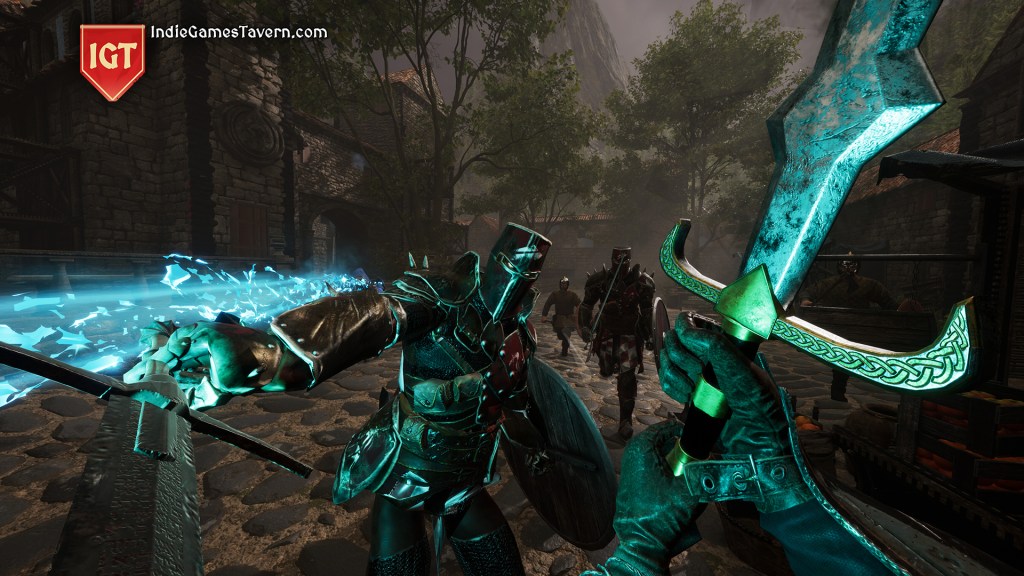
Hail, blade-wielding berserkers and shadow-slaying sentinels, and welcome to Indie Games Tavern, where the firelight dances with the gleam of sharpened steel, the ale flows with the pulse of impending peril, and the indie games carve like a dagger through the dark! It’s Friday, October 24, 2025, and we’re raising our tankards to Darkblade Ascent.
If you’ve ever yearned for the brutal, weapons-laden thrill of a dark fantasy hack-and-slash, paired with roguelite procedural loops and First-Person melee combat, then Darkblade Ascent aims squarely at your sweet spot. Developed and published by PST Games, this indie game launched fully on Steam on October 23, 2025 after an Early Access phase.
With user reviews marked “Very Positive” (e.g., 89 % of 229 reviews) on Steam at launch, the community clearly responded to its promise. But does it deliver on that promise?
As your tavern vanguard, I’ve delved into its demo depths and player murmurs for a thorough indie game review—narrative, mechanics, interface, visuals, audio, performance, flaws, and more. Hone your edge, sip your brew, and let’s climb this indie game review spire!
Gameplay: What to Expect
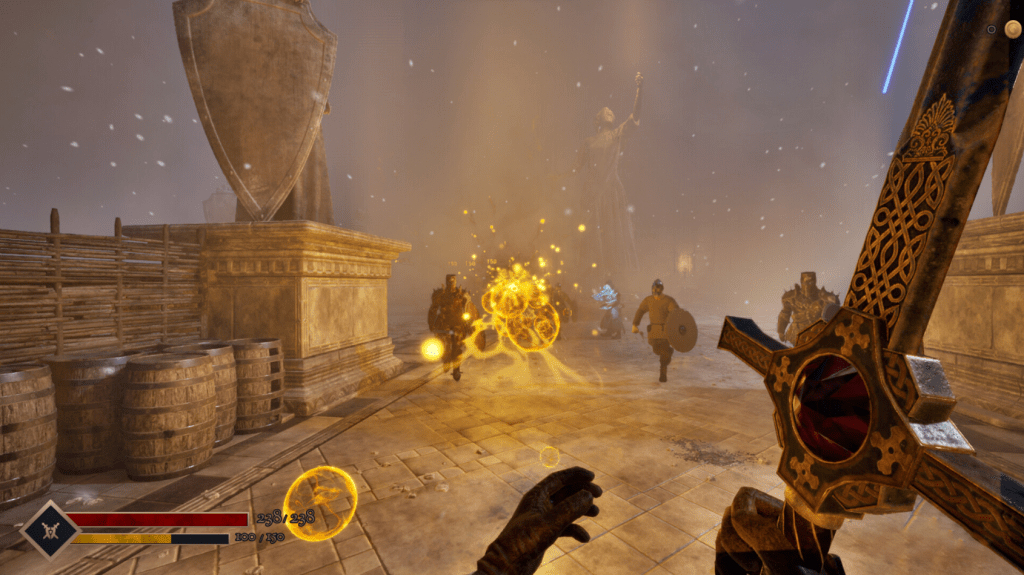
Darkblade Ascent is a first-person melee-focused roguelite action-RPG. On each run you pick a class (unlockable over time), grab weapons and upgrades, fight your way through dark fantasy locations (dungeons, cathedrals, cemeteries), and build persistent progression so that each failure helps you get further.
Key mechanics include:
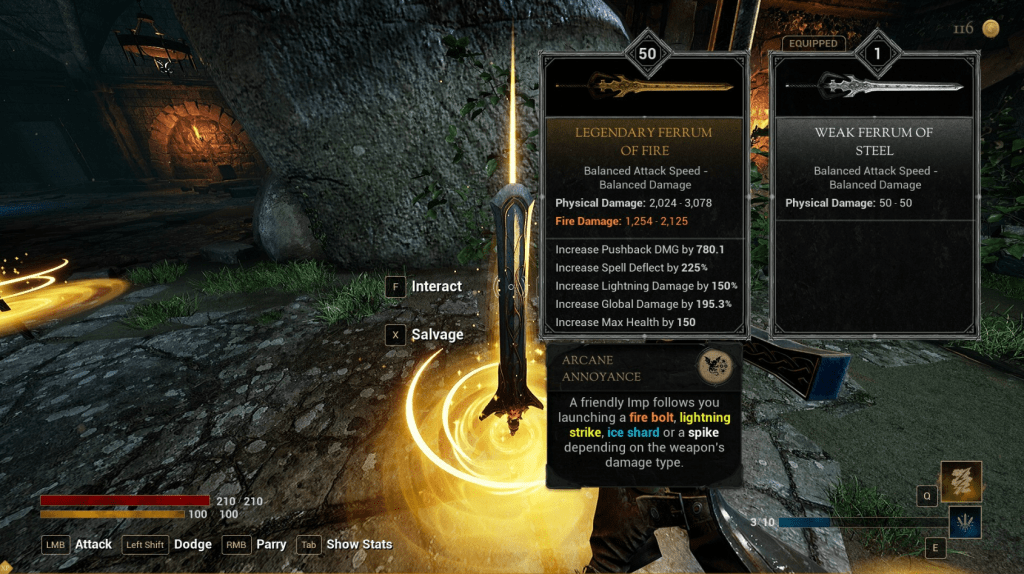
- Weapon variety & randomisation: Two-handed swords, spears, massive axes, each with different speed/damage profiles. Randomly generated stats and upgrades keep runs fresh.
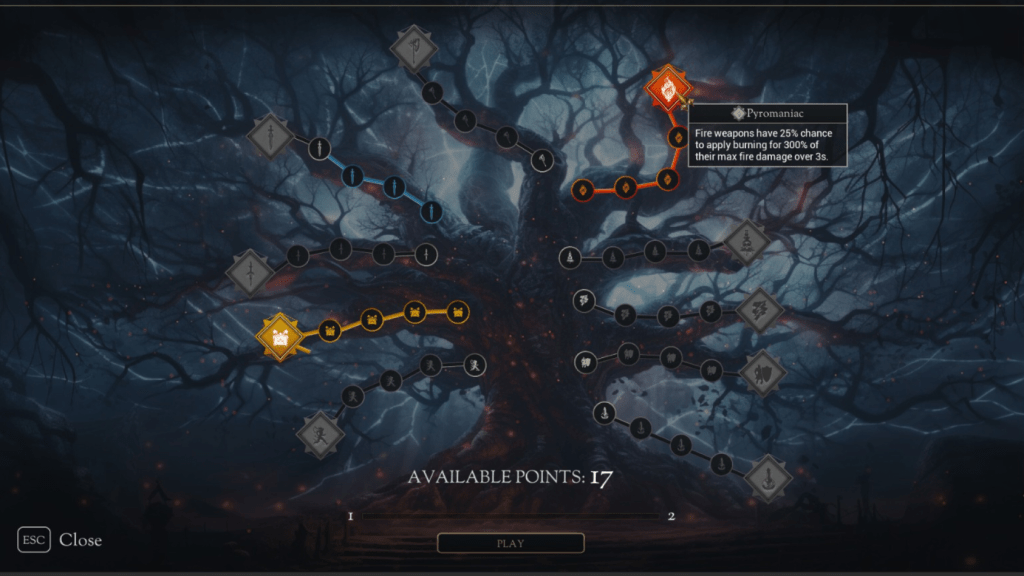
- Class systems & talent trees: Unlock new classes (e.g., mage classes focusing on fire, lightning, frost) each with unique talent trees and build options.
- Melee combat depth: Beyond just swinging your blade, you’ll dodge, parry, read enemy attack patterns, use ultimate abilities, choose when to strike back.
- Persistent progression: Even when you fail a run, your meta-progress (unlocking new classes, upgrades) carries on.
- Procedural/ran domised content + boss fights: Locations are randomly laid out each run; bosses have phases, unique behaviours.
In short: it’s fast-paced, unforgiving in its combat demands, but with plenty of loot-and-build depth for those willing to learn.
What Works Well
1. Combat Feel & Melee Focus
One of Darkblade Ascent’s standout assets is how the melee feels. The hit-swing-dodge loop is responsive and satisfying. The interplay of weapon speed vs. impact, combined with enemy telegraphed attacks, gives the action weight. For an indie game to nail melee motion in first-person is not trivial—and this one largely succeeds.
2. Build Variety & Replayability
The combination of weapon randomisation, multiple classes, talent trees, and upgrades means each run can feel different. If you like experimenting (“This time I’ll try frost mage with spears”), the game rewards that. The addition of “Weapon Inscriptions” update adds even further build depth.
3. Atmosphere & Dark Fantasy Setting
From the Steam store page: “Hack and slash your way through atmospheric dark-fantasy locations, unique monsters and bosses.” The environments—cemeteries, derelict cathedrals, haunted villages—deliver mood. For fans of darker fantasy, this is a good match.
4. Indie Value
At a relatively modest price and being an indie offering, you get a lot of content for your investment. The positive user response and consistent updates (classes, modes, refinements) indicate the devs are committed.
Areas for Improvement / Things to Be Aware
1. Learning Curve & Difficulty Spike
With melee-focused roguelites, mastering enemy patterns and build optimisation takes time. Some players may feel punished early, especially if runs end quickly due to unknown mechanics or weapon mismatch.
2. Content Depth & Variety
Though the randomness and build variety help replayability, some users might feel after many runs that environments or enemies begin to repeat. As an indie game, its scale may not match huge AAA roguelites yet, so patience helps.
3. Performance & Long-Term Player Base
SteamDB player counts show modest peaks (peak 131 concurrent on launch day) though positive reviews are strong. For long-term co-op or large community play, the size may matter. Also, as the game evolves, continued support will matter.
4. Rogue vs Souls vs Build Balance
If you’re expecting full Souls-like complexity (huge open world, ultra-deep lore, massively varied weapons), you may find Darkblade Ascent somewhat leaner—but for what it aims to do, it does it well.

Deeper Systems & Analysis
- Weapon & Build Meta: Every weapon carries a profile (speed, damage, range). Choosing a weapon early shapes your build. Random upgrades (mods, inscriptions) further customise it. The “Weapon Inscriptions” update added perks that deepen the system.
- Class Unlock & Talent Trees: As you run more, you unlock new classes. Each class has a distinct flavour—ex: Fire Mage, Frost Assassin, Berserker (added in 1.0 update) as per patch notes.
- Run Structure: Each run involves progressing through zones, fighting mobs, then a boss, then extraction or next stage. Death means starting again but with meta gains. This loop is tried-and-true in indie roguelites.
- Level & Progression: Over multiple runs you become stronger; builds compound. This helps mitigate the frustration of early failure and keeps you engaging with the game long-term.
- User Interface & Accessibility: SteamDB indicates that on Steam Deck the game is “Verified” and controls/interface appear to work well. Compatibility is a solid plus.
Final Verdict
For fans of melee action, dark fantasy settings, and roguelite loops, Darkblade Ascent is a strong pick. It offers satisfying combat, build depth, replayability—and at an indie price point. It’s not perfect: newcomers may struggle early, and some variety may still be expanding—but as of this launch it delivers a lot of value.
If you’re looking for a lean but well-crafted indie action roguelite with first-person melee thrills, Darkblade Ascent deserves a spot on your wishlist. Give it some time, experiment with builds, learn enemy patterns—and you’ll find an enjoyable, dark-fantasy ride.
We Indie Games Tavern are enthralled—wielding axes, weaving spells, toasting this indie gamedev brew with eager grit. Could it rise in indie games’ roguelike ranks?
Darkblade Ascent Review by Indie Games Tavern.
Your cozy corner of indie gems. We’re more than just a indie game review channel, we’re a sanctuary for the unsung heroes of indie gamedev. Born from a love of the underdog, the quirky, and the downright brilliant, the Indie Games Tavern is your trusty guildhall for discovering the finest indie games—those hidden gems, wild experiments, and heartfelt labors that big studios often overlook. Picture this: a weathered oak table laden with scrolls—each a indie game review penned by your tavern scribes, folks like me who’ve braved the pixelated wilds to bring you tales of triumph, terror, and everything in between.
 Indie Games Tavern
Leave a comment