
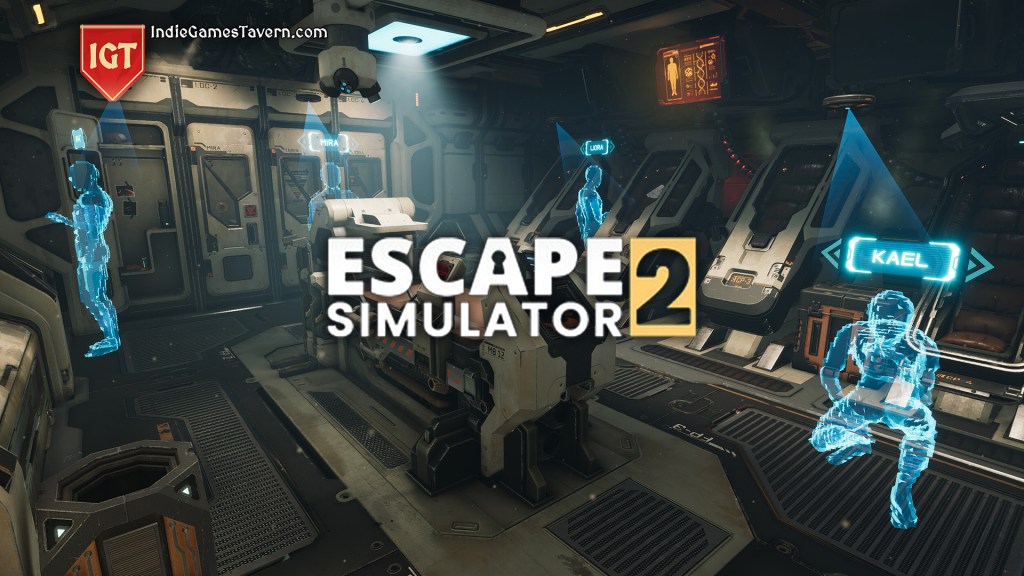
The original Escape Simulator carved out a strong niche among puzzle-game fans for its cooperative escape-room simulation and robust room-editor tools. With the sequel, Escape Simulator 2 from Pine Studio, the promise is bigger puzzles, darker atmosphere, and a more powerful creation suite (Room Editor 2.0). But does it build meaningfully on the original, or simply repaint the same concept with a fresh coat? In this review, we dive into the gameplay, features, and how the sequel stacks up in the indie puzzle space.
Gameplay & Features
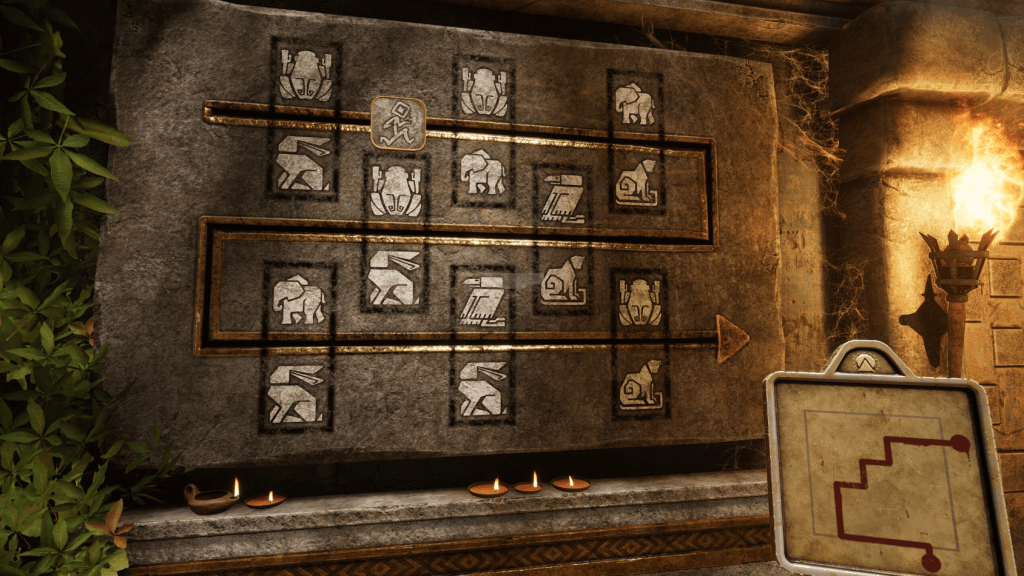
Escape Simulator 2 retains the core escape-room formula: you’re placed in intricately designed rooms with puzzles to solve, objects to interact with, clues to piece together—and the clock may tick, especially when you’re going for speed runs or co-op runs. According to the Steam page, the game supports up to 8 players online, with built-in voice and text chat to facilitate communication.
New room-packs launch with the game, for example:
- Dracula’s Castle: “Step into the shadowy fortress, uncover its secrets, and free the town from a dark curse.”
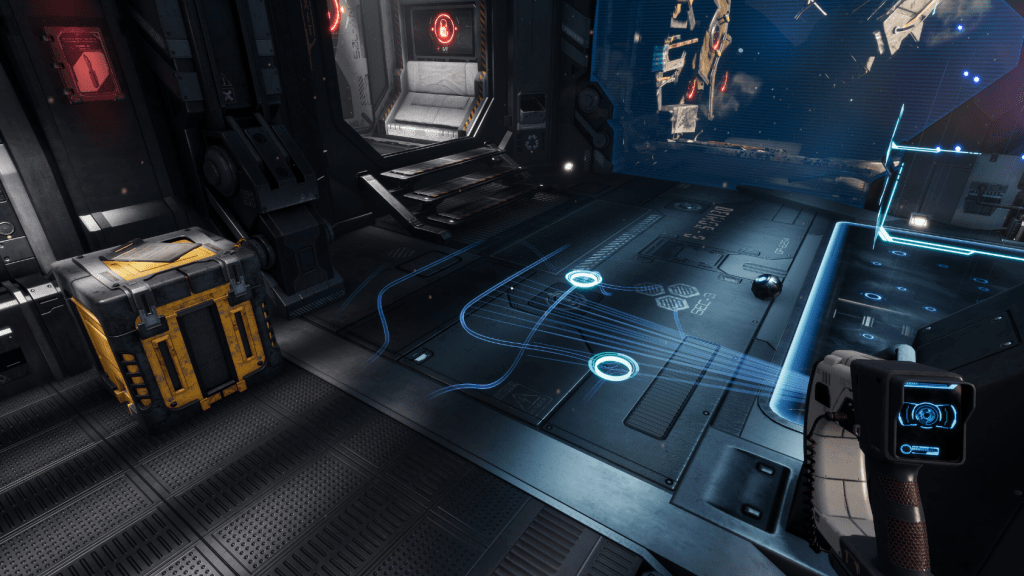
- Starship EOS: Explore a stranded vessel after a collision, retrieve energy from a mysterious dark sphere.
- The Cursed Treasure: Follow a cryptic map to a pirate island, tackle trials, claim treasure.
On the creation side, Room Editor 2.0 promises more power: new lighting engine, building editor with full stairs, sequence animations, more flexibility for creators.
What Works Well
1. Strong Puzzle Design & Co-op Fun
Based on community feedback from the demo, the puzzle design appears thoughtful and satisfying. One Reddit post says:
“The puzzles were great… the perfect mix of difficulty and creativity.”
And the built-in co-op mechanics make this a strong pick for friends or groups looking for shared puzzle-solving experience.
2. Rich Creation Tools & Community Potential
If the sequel’s editor lives up to its promise, the potential for community creativity is very high. The original game already had a thriving workshop where players created custom maps and rooms. Boosting this toolset is a smart move.
3. Darker & More Varied Themes
The three initial room-packs for Escape Simulator 2 show the ambition for more varied scenarios—vampire castle, spaceship, pirate island. This diversity should keep the experience fresh and appealing.
Areas for Improvement / Considerations
1. Limited Preview Content / Early Stage
At launch the game shows very promising early user reviews (“Positive” on its launch page) but content breadth can still be a concern. According to the Steam page: “With more content coming soon.” As with many puzzle-games, replay value can hinge on how many rooms and how varied they are.
2. Replayability & Novelty Factor
A common criticism of escape-room style games: once you’ve solved a room, the “magic” tends to fade. As one review of the original noted:
“After a player solves a single room, there’s no reason to return.”
The sequel will need to provide either procedural variation, timed challenges, or strong community content to overcome this.
3. Balancing Difficulty & Accessibility
Escape puzzles must strike a fine line between challenge and frustration. While some players praised the difficulty of the demo, others may require more guidance or hint systems. Room creators will also need intuitive tools to avoid overly obscure puzzles.
4. Editor & Creator Tools Complexity
While empowering creators is excellent, increasing tool complexity can raise the barrier to entry. If the Room Editor 2.0 becomes too technical, it may reduce the number of user-generated rooms from more casual players. Early feedback from disappointed community members voices concern over the sequel offering “more of the same” instead of serious new mechanics.

Comparison to Other Games & Positioning
Within the indie games puzzle space, Escape Simulator 2 fits into the niche of virtual escape-room simulation—an area previously dominated by the original game and titles like Escape Academy. The advantage of Escape 2 is the stronger editor, richer themes, and larger co-op capacity. The game does not attempt to become a first-person narrative adventure or horror-escape hybrid (the developers explicitly state it is not a horror game).
For players seeking casual, accessible puzzle-co-op sessions—and ideally creating their own rooms—this game sits near the top of the field. However, for players seeking deeply narrative or massively replayable procedural puzzles, it may still fall short of more ambitious puzzle/adventure hybrids.
Final Verdict
Escape Simulator 2 captures much of what made the original great—interactive object examination, cooperative escape room vibes—and then adds meaningful upgrades: bigger team sizes, themed room packs, more robust creation tools. That said, it remains early in its life and players should gauge whether the available room-count and variety meet their expectations.
If you love indie games focused on puzzles, co-op fun, and creative map building, Escape Simulator 2 is definitely worth keeping an eye on (or jumping in if you already trust the developer). If you’re looking for heavy narrative or infinitely replayable mechanics, treat this as a strong foundation with potential.
Escape Simulator 2 Review by Indie Games Tavern.
Your cozy corner of indie gems. We’re more than just a indie game review channel, we’re a sanctuary for the unsung heroes of indie gamedev. Born from a love of the underdog, the quirky, and the downright brilliant, the Indie Games Tavern is your trusty guildhall for discovering the finest indie games—those hidden gems, wild experiments, and heartfelt labors that big studios often overlook. Picture this: a weathered oak table laden with scrolls—each a indie game review penned by your tavern scribes, folks like me who’ve braved the pixelated wilds to bring you tales of triumph, terror, and everything in between.
 Indie Games Tavern
Leave a comment