
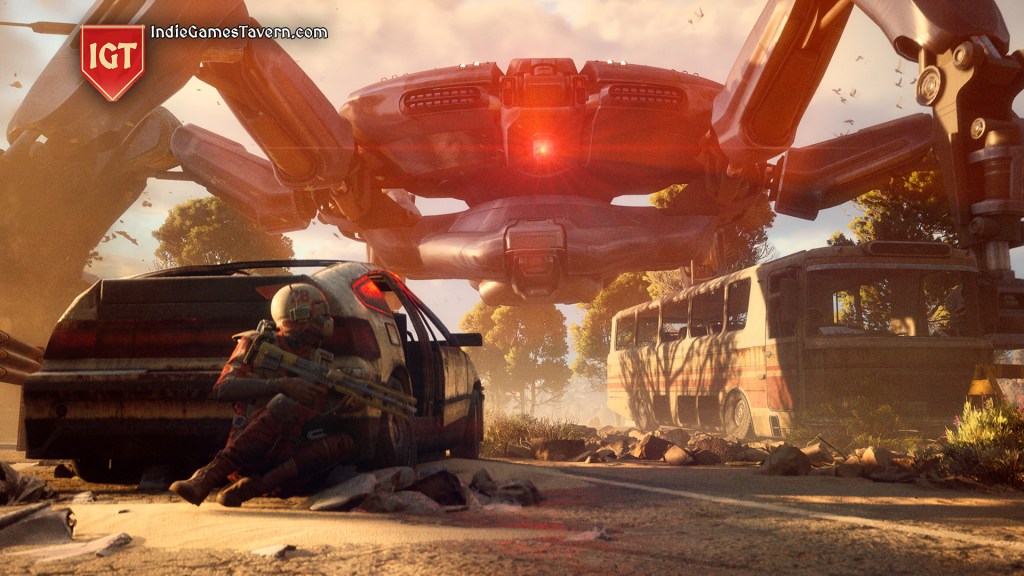
In the crowded field of extraction‐style shooters, ARC Raiders from Embark Studios aims high. Released today, October 30 2025, it features a third-person vantage, PvPvE mechanics (player vs. player vs. environment), and the promise of slick world-design, loot progression, and extraction tension.
Having examined previews, playtest impressions, and early community feedback, this review will explore how well ARC Raiders lives up to its ambition—and where it still needs improvement.

Core Concept & Gameplay Loop
ARC Raiders sets you up as a Raider in a post-apocalyptic Earth where mechanized ARC machines dominate the surface, forcing humanity underground. You and your squad venture topside to scavenge, fight, extract, craft, and repeat.
Key loop elements include:
- Pre-raid preparation: choose gear, craft/load out your character, decide how willing you are to risk it all.
- Raid phase: drop into a map, face environmental hazards and deadly robots, perhaps other Raiders, scavenge loot.
- Extraction / consequences: survive and extract to keep loot; die and you may lose gear. Progression includes a skill tree and crafting base.
On paper, it’s the type of loop extraction-shooter fans want: high tension, real risk, real reward.
What Works Very Well
1. Sound & Visuals, Immersive Moment-to-Moment
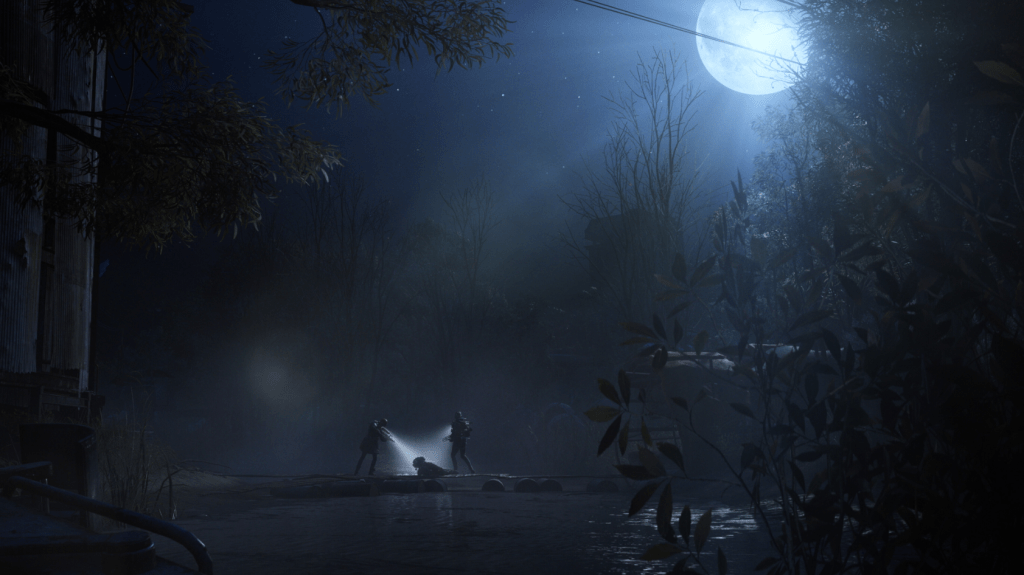
Community feedback is strong when it comes to the audiovisual polish of ARC Raiders. One user in the Steam forums wrote:
“The sound design is easily one of the most polished areas of the game … gunshots and explosions sound really, really good.”
Previews echo this: Game Informer’s hands-on said the world-building “blows me away” and terrain design is strong.
2. Progression That Doesn’t Make You Feel Stuck on Death
One common frustration in extraction shooters is feeling like you lose everything when you die, and have no momentum. ARC Raiders introduces a persistent skill tree, crafting systems, base upgrades, and loot preservations to give players a sense of progression even in failure.
3. Blend of PvE + PvP with Environmental Threats
Rather than purely PvP, or purely PvE, ARC Raiders mixes machine threats, scavenging, and other human Raiders. This keeps the loop dynamic: you must watch the environment, other players, and your own extraction route. Reddit impression:
“Plays like slower Apex with The Cycle mechanics… includes crafting and scav runs like Tarkov.”
This layered conflict—player vs machines vs player vs extraction timer—gives potential for deep tactical decisions.

Areas for Improvement & Risks
1. Early Tech / Network Issues & Stability
While much praise is being heaped on ARC Raiders, some reviewers from playtests and community discussions point to bugs, latency, VOIP problems, and optimization overhead:
“The ping… I did not have my performance monitoring on but the whole time the game was giving me latency and packet loss icons any time I was in a match.”
Given the game’s large scale ambition and cross-platform expectation, ensuring stable sessions will be vital at launch.
2. Content Depth & Long-Term Variety
Extraction shooters live or die on their loop variety, map diversity, enemy variation, meta progression. While pre-release impressions are positive, there’s concern that at launch the available maps and modes may still be limited. As IGN noted:
“Absolutely nothing here to challenge what came before… sometimes that’s okay.”
Which suggests that while ARC Raiders is solid, it may not immediately innovate or stand out for long-term players until supported with post-launch content.
3. Onboarding & Accessibility
Extraction shooters typically have steep learning curves: gear economy, extraction risk, map meta. Some feedback indicates that beginners may find themselves overwhelmed without good tutorialization or UI guidance—a crucial consideration for wider adoption.
Systems & Deeper Mechanics
- Skill Tree & Progression: Players invest skill points into branches like Survival, Mobility, Conditioning, shaping their playstyle.
- Crafting & Base Workbench: After extraction you return to your underground base to craft weapons, gadgets, and upgrade stations. This meta layer gives motivation to keep playing.
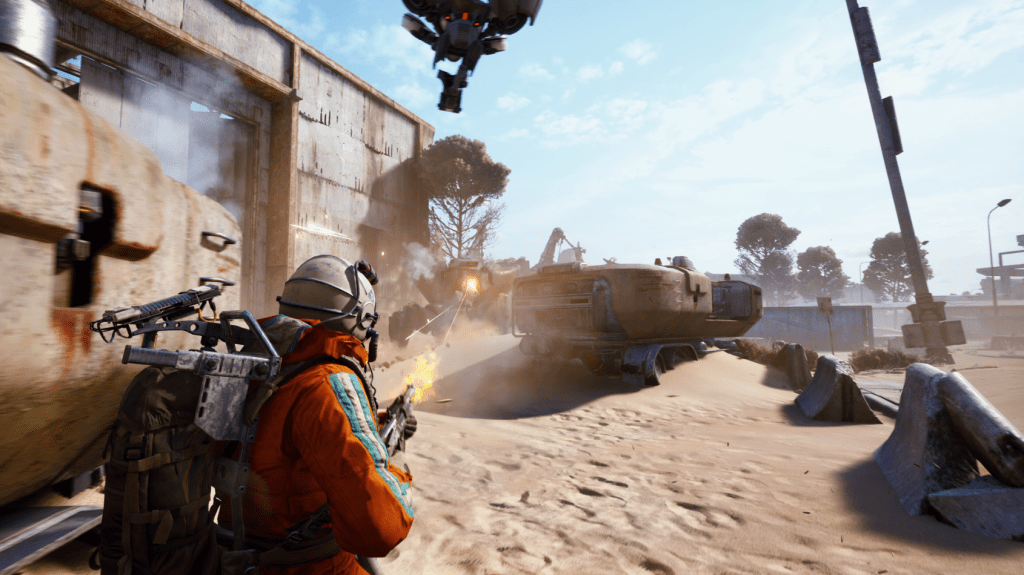
- Map Variation & Extraction Conditions: Maps have changing conditions (weather, enemy density), extraction points vary, and other Raiders can ambush you.
- Loot Risk/Reward Mechanics: The more you extract with high-risk gear, the more you can lose—but also the more you gain. This risk drives emotional investment.
- Third-Person Perspective: Unlike many extraction shooters which use first-person, ARC Raiders goes third‐person, giving a wider spatial awareness and different tactical possibilities.
Final Thoughts
ARC Raiders is shaping up to be one of the most promising extraction shooters of the year. It brings polish, strong systems, and a family of mechanics that should appeal to both hardcore genre fans and newcomers looking for a high-tension co-op experience. However, it still carries the risks inherent in large online shooters: launch stability, content breadth, and onboarding quality.
If you enjoy indie games or smaller-studio titles aiming big in the multiplayer space—especially those who like the extraction loop—ARC Raiders is a title for you. If you prefer refined single-player campaigns or are wary of early-state live-service mechanics, you may want to wait for a few months post-launch.
Who Should Play It?
- Players who enjoy extraction shooters with co-op squads, loot risk vs reward, and dynamic environments.
- Fans of tactical multiplayer experiences who don’t mind investing time to learn gear/meta.
Who Might Wait?
- Players who prefer solo story-driven games rather than multiplayer loops.
- Gamers hesitant about launch-day live-service issues, bugs, or grinding systems.
- Individuals without reliable co-op teams—extraction games often shine in groups.
ARC Raiders Review by Indie Games Tavern.
Your cozy corner of indie gems. We’re more than just a indie game review channel, we’re a sanctuary for the unsung heroes of indie gamedev. Born from a love of the underdog, the quirky, and the downright brilliant, the Indie Games Tavern is your trusty guildhall for discovering the finest indie games—those hidden gems, wild experiments, and heartfelt labors that big studios often overlook. Picture this: a weathered oak table laden with scrolls—each a indie game review penned by your tavern scribes, folks like me who’ve braved the pixelated wilds to bring you tales of triumph, terror, and everything in between.
 Indie Games Tavern
Leave a comment