
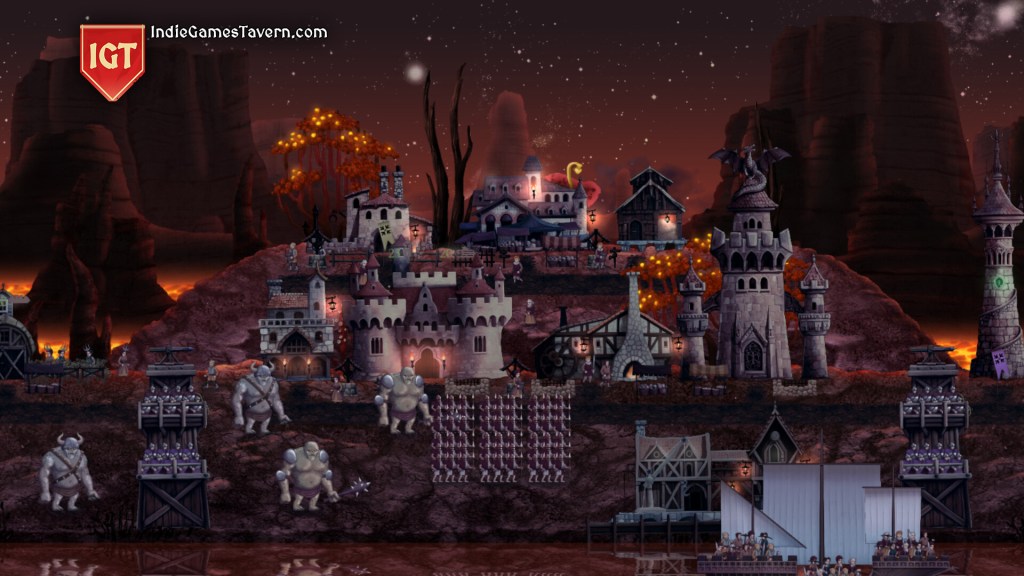
Realms of Madness bills itself as “a fantasy castlebuilder real-time strategy game.” Developed (and published) by Robin van der Horst, this indie title seeks to fuse base-building, multi-layer combat (sea, land, air), mythical creatures, and a unique sideways (2D) perspective. Released today, November 3, 2025.
In the crowded sphere of indie games, especially in RTS/strategy space, Realms of Madness takes on a big task: deliver meaningful depth, multiple combat layers, and build/attack mechanics—all with a small team. Does it succeed? Here’s a breakdown.
Core Concept & Gameplay Loop
At its core, Realms of Madness asks you to:
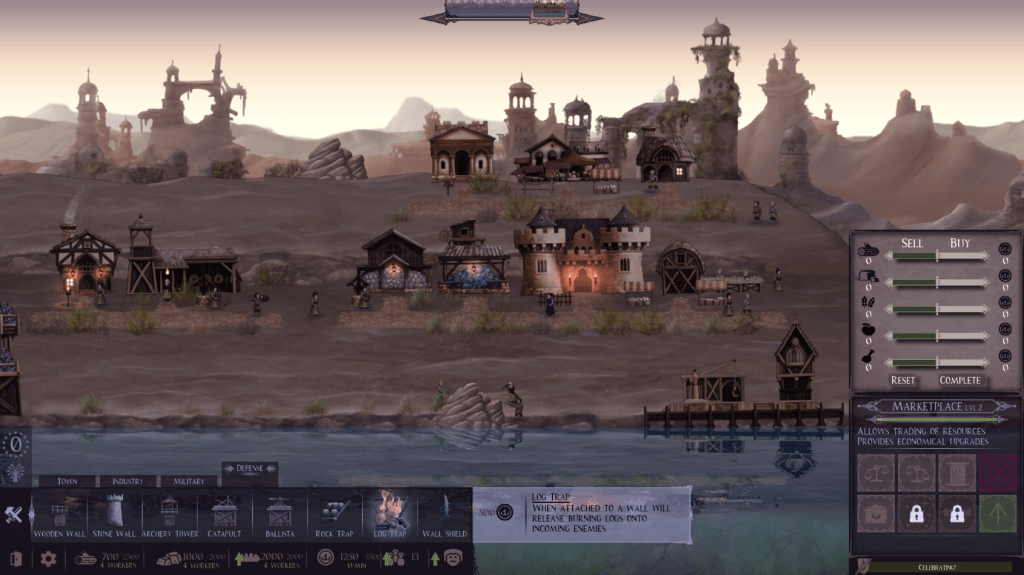
- Build up a medieval-fantasy fortress: construct walls, towers, traps and medieval economy modules.
- Manage three distinct layers of warfare:
- Underwater / Sea: “Delve into the depths of the ocean, constructing underwater habitats to summon mysterious nautical creatures capable of sinking ships from below.”
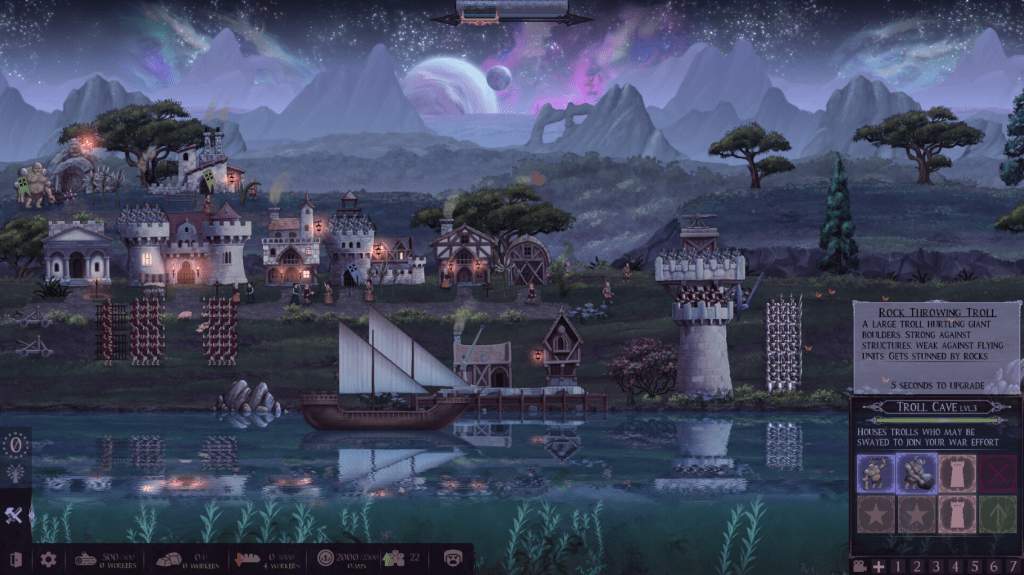
- Ground: Traditional castle-building, units (soldiers, wizards, trolls), siege weapons.
- Sky: Command winged beasts, birds, mythical creatures descending on the enemy.
- Recruit mythical creatures, unlock ability-trees (“chaos points”), and deploy late-game monsters (dragons) to crush foes.
- Progress via a meta-upgrade system and ability tree that persists across battles.
So the loop is: build economy → recruit units → defend/attack across layers → earn ability/meta points → upgrade → repeat with higher stakes.
What Works Well
1. Ambitious Multi-Layer Design
One of the standout features is the idea of three simultaneous war-fronts: sea, land and air. That’s rare in the indie castlebuilder/RTS space. It promises more variety than “just build and siege.”
2. Strong Demo Feedback
The free demo for Realms of Madness received positive remarks: “Positive (96%)” from 28 reviews. For an upcoming indie RTS, that’s encouraging.
3. Indie-Driven Vision & Voice Acting
The developer emphasizes this is a hand-craft project: “fully handcrafted over the course of three years by a small group” with voice acted characters and original soundtrack by composer Geraint Downing. That care for presentation gives it extra charm in the indie games realm.
4. Accessible Scope / Clear Roles
While complex, the sideways 2D perspective may make it more accessible than fully 3D RTS titles, especially for players new to strategy.
5. Unique Visual & Tactical Flavour
From the screenshots and dev posts, the game mixes familiar strategy tropes with mythic elements (dragons, trolls, seabound creatures) which adds flavour.
Areas for Improvement & Risks
1. Early State & Content Scope
As of its release it’s clear the game is still emerging. The ability tree, meta progression and full roster of units are being fleshed out. From user discussion: some bug reports (screen blacking out) exist.
2. Depth vs Breadth Balance
When you promise sea + land + air + economy + unit progression + meta upgrade, the risk is each system becomes shallow. The game must ensure none of these layers feel tacked on.
3. Unique Perspective Could Limit Clarity
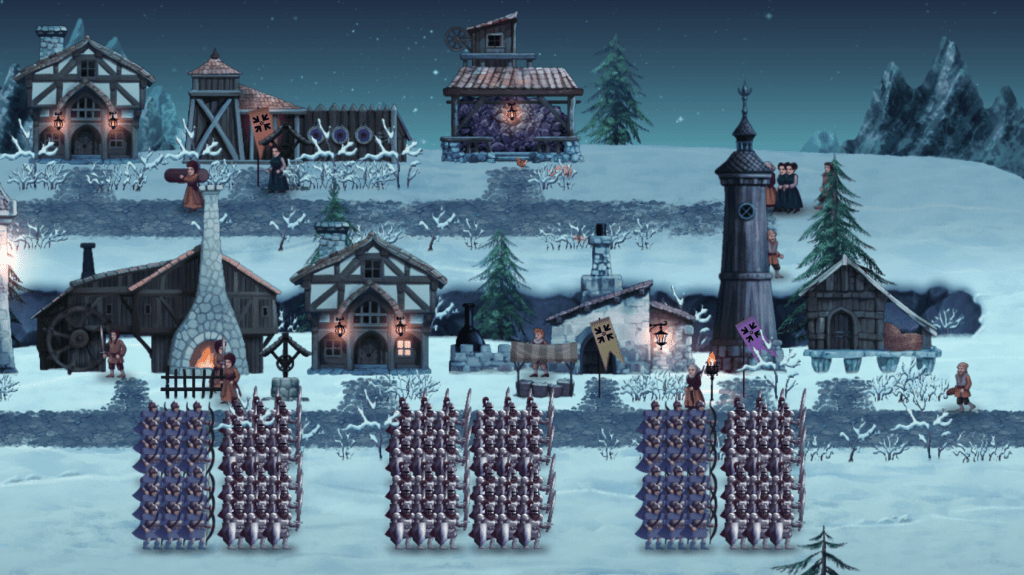
The “sideways” or 2D side view is unique, but might make spatial decisions and unit control less intuitive compared to typical RTS views. Some strategy veterans may find the perspective less ideal.
4. Performance & Polish
While not yet evident from large reviews, smaller indie RTS titles sometimes struggle with UI clarity, large unit counts, optimisation. Pre-release discussion indicates some concerns.
5. Replay / Longevity
Building a meta progression and longevity in RTS is tough. The demo’s short feedback is positive, but long-term staying power will depend on variety of maps, enemy AI, customisation and modes.
Deeper Systems & Observations
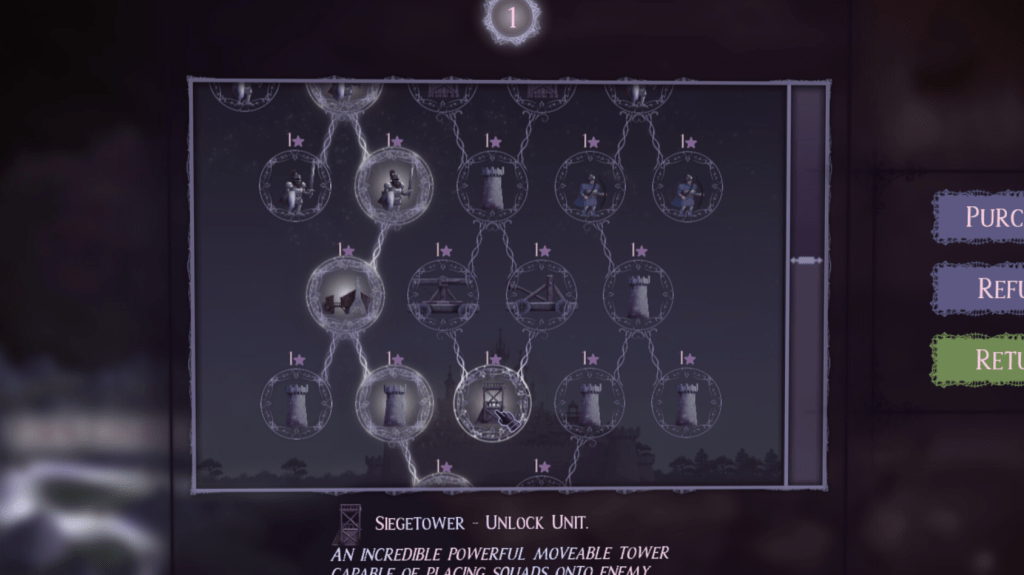
- Ability/Meta Tree: The game allows “chaos points” earned in combat to unlock abilities, and also a long-term meta tree that persists across sessions. This dual progression is promising for replay value.
- Unit Formation & Experience: Units can level up (“squad-based soldier formations … preserve their lives, and they will progressively increase in skill”). This adds unit investment and a bit of tactical micro.
- Siege & Defence Mechanics: You raise modular walls, towers, traps (fire braziers etc) – meaning defensive building matters as much as offence.
- Mythical Creature Play: The inclusion of dragons, winged beasts, undersea creatures gives a fantastical overlay to what could otherwise be a generic castle-builder.
- Campaign + Arcade Modes: The developer posts mention there will be campaign and an arcade “siege mode” where you defend against hordes.
Final Thoughts
Realms of Madness shows strong promise. For fans of indie games who love strategy, building, fantasy and layered warfare, it’s a title to keep on the radar. To us at Indie Games Tavern, it may not yet (at launch) tick every box of depth and polish that AAA RTS games do—but given its scope, vision and positive early demo reception, it’s a commendable effort.
Who Should Play It?
- Strategy fans looking for fresh takes in the castle-builder + fantasy RTS space.
- Players who appreciate indie games with clear vision and handcrafted ambition.
- Gamers willing to engage with a game early, and grow with it (rather than expecting fully polished AAA at launch).
Who Might Wait or Skip?
- Players seeking ultra-refined, large-scale RTS with full multiplayer, mod support, huge budgets.
- Gamers who dislike dealing with early-state titles or moderate polish issues.
- Players wanting immediate, extremely deep strategic systems rather than layered but still developing ones.
If you’re looking for a castle builder with mythic creatures, sea and sky warfare, and a fresh indie strategy twist—Realms of Madness may just be your next realm to conquer.
Realms of Madness Review by Indie Games Tavern.
Your cozy corner of indie gems. We’re more than just a indie game review channel, we’re a sanctuary for the unsung heroes of indie gamedev. Born from a love of the underdog, the quirky, and the downright brilliant, the Indie Games Tavern is your trusty guildhall for discovering the finest indie games—those hidden gems, wild experiments, and heartfelt labors that big studios often overlook. Picture this: a weathered oak table laden with scrolls—each a indie game review penned by your tavern scribes, folks like me who’ve braved the pixelated wilds to bring you tales of triumph, terror, and everything in between.
 Indie Games Tavern
Leave a comment