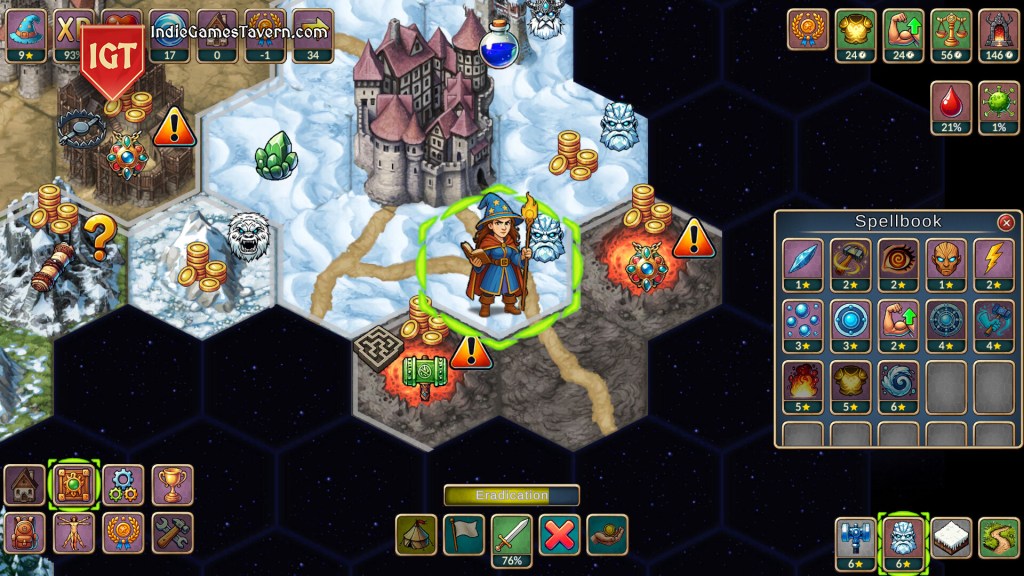
When you see a game described as “Fantasy strategy RPG with roguelike elements. A game about choice: every mechanic is an alternative to another.” (as listed on the Steam page) you immediately know you’re in for something ambitious. Developed and published by the indie gamedev Clarus Victoria, Next Run launched on Steam on November 6, 2025.
In the crowded space of indie games, especially those blending strategy, RPG and roguelike genres, this title stands out by placing choice at the heart of its mechanics—whether you fight or bribe, craft or trade, build or cast. But as with many genre hybrids, the question remains: does it fully deliver on all fronts, or does it stretch itself too thin? Let’s find out in this indie game review.
Gameplay & Core Loop
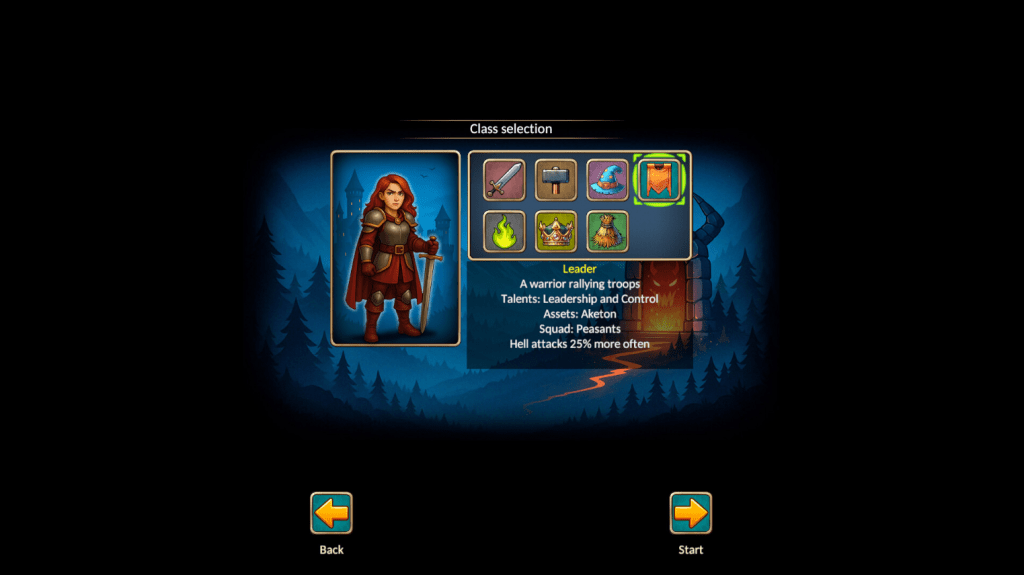
At its core, Next Run offers a strategy-RPG-roguelike hybrid with the following pillars:
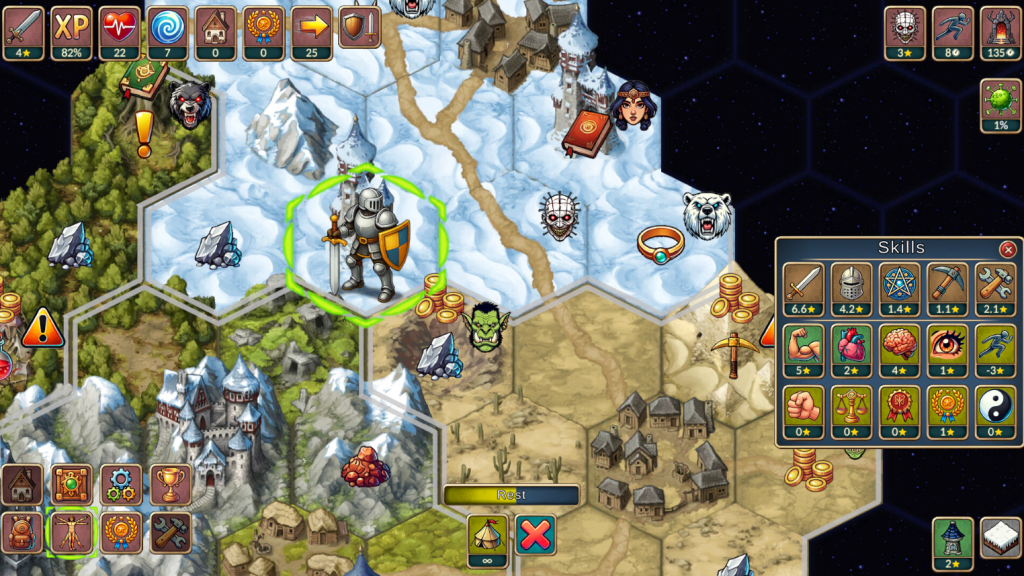
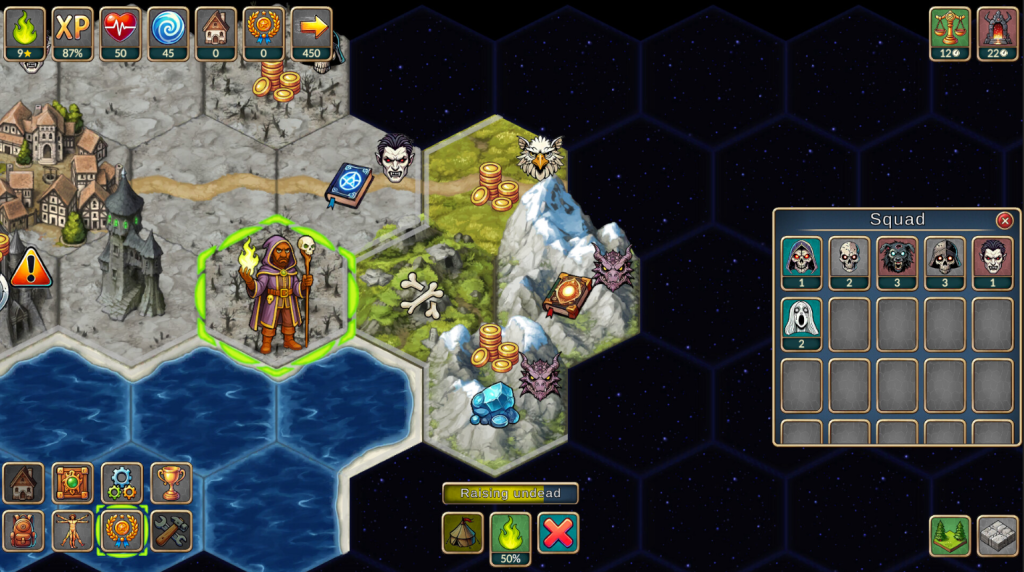
- Multiple Classes & Diverse Paths: The game features 7 unique classes including Warrior, Mage, Lord, Artisan, Leader, Necromancer and Peasant. Each class offers a distinct feel and strategic path: for example the Lord focuses on region capture and economy, while the Mage emphasizes spells and arcane power.
- Procedural Exploration & Combat: You explore a procedurally-generated world invaded by waves from Hell. You’ll engage in tactical combat, exploration of ruins and dungeons, and face escalating threats.
- Economy, Crafting & Choice Mechanics: Next Run doesn’t just rely on combat. You can gather resources, build and upgrade structures, craft legendary gear, trade, bribe your way past foes—or simply battle through them. The idea is that every mechanic is an alternative to another.
- Replayability & Modes: According to the devs, part of the goal of this game has been to improve replayability (addressing what previous projects lacked). There’s mention of “Sandbox mode” and “Nightmare mode” for additional challenge.
So the loop of this indie RPG roguelike becomes: choose a class → explore & expand your region → engage in combat/trade/building → upgrade & craft → adapt your path → repeat with more challenge. Because procedural elements and strategic alternatives underpin each run, each playthrough should feel different.
What Works Well
1. The Emphasis on Choice
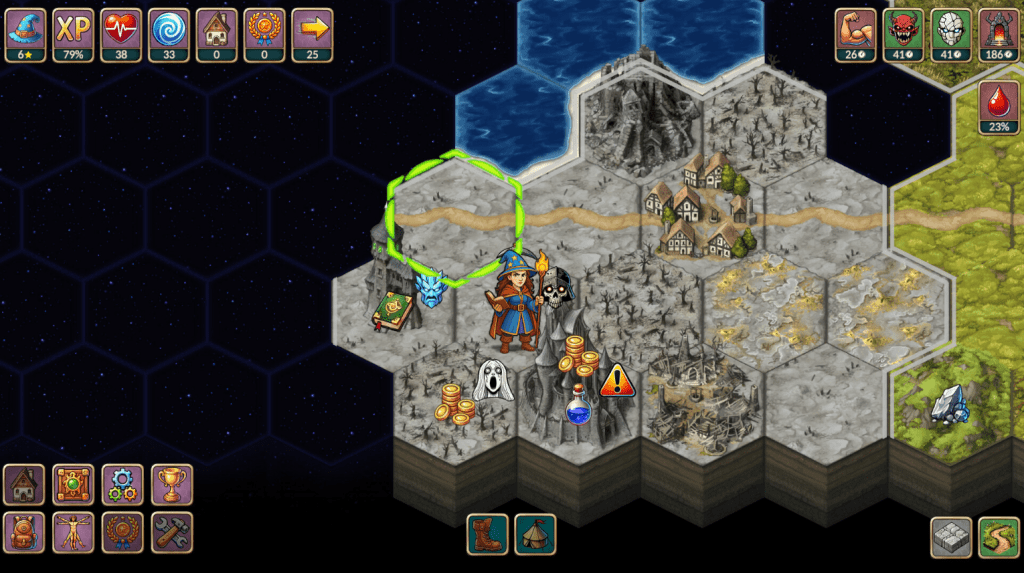
One of the strongest aspects of Next Run is how many decisions you’re asked to make. Do you clear the map with brute force, or sneak and bribe your way through? Do you invest in building your region’s economy or focus on crafting legendary equipment early? This kind of branching mechanics give the game meaningful player agency—something too few indie roguelikes emphasise, but this indie gamedev Clarus Victoria really did a great work.
2. Strategy + RPG + Roguelike Hybrid
It’s rare to see an indie gamedev ambitiously combines strategy (territory/buildings), RPG (classes, gear) and roguelike (procedural, runs, high-stakes) in one package—and do it with clarity. The dev statement even addresses this merge:
“We wanted to show how different genres – strategy and RPG – can merge seamlessly within a single game while keeping coherence and depth.”
For fans of indie games looking for something beyond the usual, this hybrid identity is refreshing.
3. Good Production and Support for Launch
The game supports multiple languages, offers a free demo prior to full launch (helping build confidence) and has already received patches (1.0.12 / 1.0.13) to fix issues and improve quality of life. This is promising for an indie development path.
Areas for Improvement & Considerations
1. Depth vs Breadth—Where does it lean?
While the game promises a lot of systems, there is the risk that each system (crafting, building, combat, strategy) may not be equally deep. For example, if your building/region system feels shallow compared to your combat customization, that may detract from the promise of full genre fusion. Some early feedback indicates that certain mechanics could feel under-explored. To us at Indie Games Tavern, this is totally understandable to an indie game in early stage of its life, but we believe that this indie gamedev Clarus Victoria will improve it (from what we saw).
2. Onboarding & Clarity of Systems
With many classes, many paths, many systems (craft/trade/builds), player onboarding becomes critical. If early runs feel overwhelming or if it’s unclear which path yields the best reward, some players may drop off. Discussion boards (Steam forums) already mention tutorial bugs or clarity issues.
3. Replayability Will Depend on Variation
The devs say they are tackling replayability, but this remains to be proven: how much variation do the procedural worlds provide? How distinct do different class paths feel? How rewarding is the “next run” after you’ve completed a few? For many rogue-strategy hybrids, long-term appeal hinges on these factors.
4. Polish and Technical Minor Issues
Some bug-fix and patch notes highlight minor but noticeable problems: UI quirks, ammo cost miscalculations, crash fixes, etc. While none seem major, they do matter when your game features many moving parts.
Final Thoughts
Next Run is a bold and commendable indie-game offering that seeks to merge strategy, RPG and roguelike genres around meaningful choice. For players who love planning, exploring different build paths, and deciding how to win rather than simply winning, this title is very much worth your attention.
To us at Indie Games Tavern, if you’re ready to forge your path, carve your region, build, fight or bribe your way through hellish hordes, and define how you win rather than simply that you win—Next Run offers a robust indie strategy-roguelike experience worth diving into.
Who Should Play It?
- Players who enjoy strategy + RPG games and appreciate branching build paths, crafting, and territory expansion.
- Fans of indie games that try something different rather than just replicating genre formulas.
- Gamers who value player choice and multiple ways to approach victory.
Who Might Wait or Skip?
- Players expecting ultra-deep simulation of one system (e.g., hardcore base-building) may find the mix less focused.
- Gamers who dislike complexity in onboarding and prefer simpler loop mechanics.
- Those seeking large multiplayer or massive sandbox freedom—Next Run is single-player focused and procedural.
Next Run Review by Indie Games Tavern.
Your cozy corner of indie gems. We’re more than just a indie game review channel, we’re a sanctuary for the unsung heroes of indie gamedev. Born from a love of the underdog, the quirky, and the downright brilliant, the Indie Games Tavern is your trusty guildhall for discovering the finest indie games—those hidden gems, wild experiments, and heartfelt labors that big studios often overlook. Picture this: a weathered oak table laden with scrolls—each a indie game review penned by your tavern scribes, folks like me who’ve braved the pixelated wilds to bring you tales of triumph, terror, and everything in between.
 Indie Games Tavern
Leave a comment