
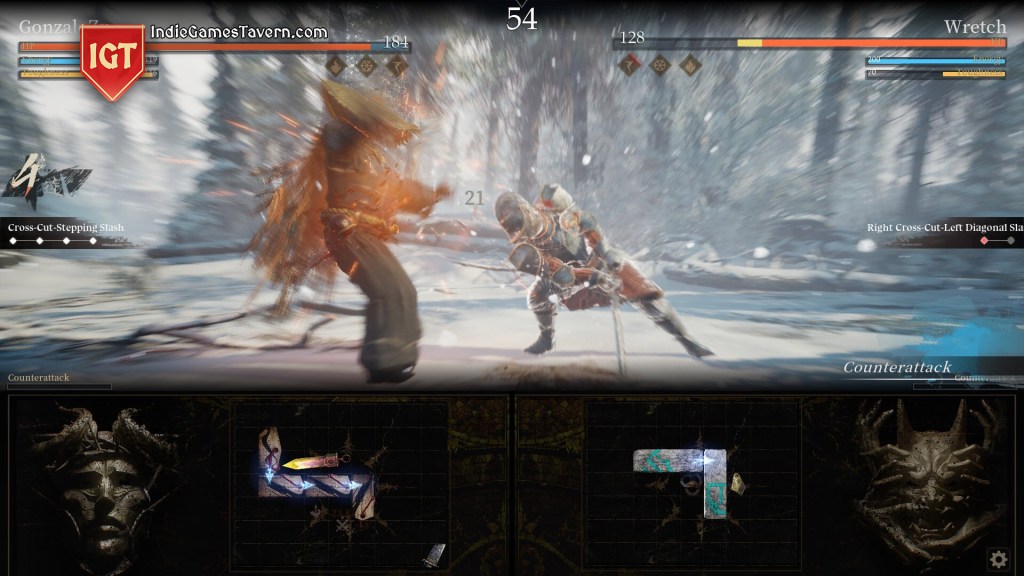
Wretch: Divine Ascent is a 1v1 tactical auto-battler developed the indie gamedev by Ogopogo and published by SapStaR Games, released on Steam on November 19, 2025. The game is set in a dark fantasy, medieval-inspired world and centers around a deeply strategic “backpack management” system, where players build combos and synergies by arranging items, moves, and equipment in their inventory.
Let’s follow us at Indie Games Tavern to dive in this indie game review, now!
Gameplay & Core Loop
Wretch: Divine Ascent blends tactical depth, inventory management, and auto-battle mechanics. Here’s how it works:
- Backpack Strategy: Players purchase items, attack “moves,” and equipment, then place them into their backpack. The arrangement matters — how you chain moves, how you combine gear, and how items interact (some moves even counter others) deeply affects combat outcomes.
- Item Fusion: Beyond buying off-the-shelf items, you can fuse certain items to create powerful, unique combinations not available in the shop, adding a layer of experimentation and long-term build planning.
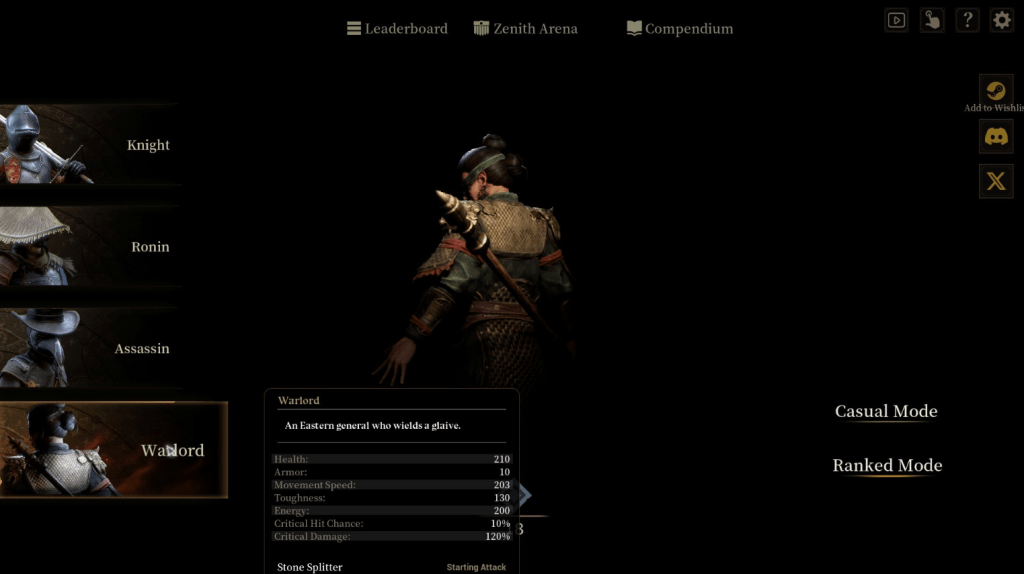
- Classes: The game offers multiple character types — at least Knight, Ronin, and Assassin. Each class has different affinities for items and distinct playstyles, which encourages variety in builds. A new “WuJiang” class is also introduced at launch.
- Battle Structure: A “game session” consists of up to 10 battles, fought against real players asynchronously. This repeated duel structure lets you test your builds, refine combos, and climb a “Honor” leaderboard.
- PvP Focus: While it’s an auto-battler, the emphasis is clearly on asynchronous PvP, not purely AI matchups.
- Replayability: Thanks to the large item pool (over 250 items, equipment, and moves according to the store) plus fusion mechanics and class diversity, the game encourages repeated play to discover effective combos.
After the success of the indie title Backpack Battles, we Indie Games Tavern didn’t see many new good ones in this backpack auto-battler genre, until Wretch: Divine Ascent releases. The indie gamedev Ogopogo did bring it to the new level with models, animations, sounds, effects. What an effort from indie dev team!

What Works Really Well
Deep Inventory Strategy
The backpack system is its standout feature. Unlike many auto-battlers where you draft or deploy units, here you’re building combos by managing an inventory. That opens up a rich space for planning, optimizing, and out-thinking your opponent.
Item Fusion & Synergy
The fusion mechanic means that truly powerful or surprising builds aren’t just bought — they’re crafted. This encourages experimentation across many playthroughs and rewards clever thinking.
Class Variety
Having different character archetypes (Knight, Ronin, Assassin, and more) adds meaningful variety. Since each class favors different strategies and item types, you’re incentivized to try different builds and playstyles.
Competitive Structure
The 10-battle session structure with a leaderboard (“Honor” / “Zenith Arena” for top players) gives a very clear competitive ladder. This is well-suited for players who want to test their optimization and climb over time.
Dark, Atmospheric Art Style
The game’s art leans into a brooding dark medieval-fantasy aesthetic, which fits well with the serious, tactical tone.
Strong Value for an Indie Title
With over 250 items to play with from launch and multiple classes, there’s a lot of content for the price. The backpack-combo design gives the game more strategic “weight” than many simpler autobattlers. We Indie Games Tavern really highly appreciated the works from the indie gamedev Ogopogo, the ‘content & quality / price’ ratio is impressive.
Areas for Improvement & Considerations
Steep Learning Curve
Because of how central the inventory layout is, new players may be overwhelmed. Understanding which items chain well, which counter each other, and how to fuse effectively requires time and experimentation.
Asynchronous PvP Only
If you prefer real-time matches or want more control over when and whom you fight, the asynchronous nature might feel less satisfying. Also, solo or “casual” players may find climbing the leaderboard intimidating or less rewarding.
Meta Risk / Overpowered Combos
With deep build potential, there’s a risk of dominant meta builds emerging. If certain item combinations become “must-have,” creativity could be stifled unless the developers balance regularly.
Limited Solo Mode (Possibly)
The emphasis on 1v1 duels suggests the game may not have a very deep single-player campaign or AI-only mode; this could be a drawback for players who don’t enjoy PvP.
Accessibility of Fusion System
The fusion system is a major draw, but it depends on how well the game teaches it. If the UI or feedback around creating fused items is unclear, some players may not fully leverage it.
Long-Term Retention
While 10-battle sessions and leaderboards are motivating, maintaining long-term player retention will depend on future content, balance patches, and expansions. Without fresh items or classes, the core loop could risk becoming repetitive for very competitive players.
Final Verdict
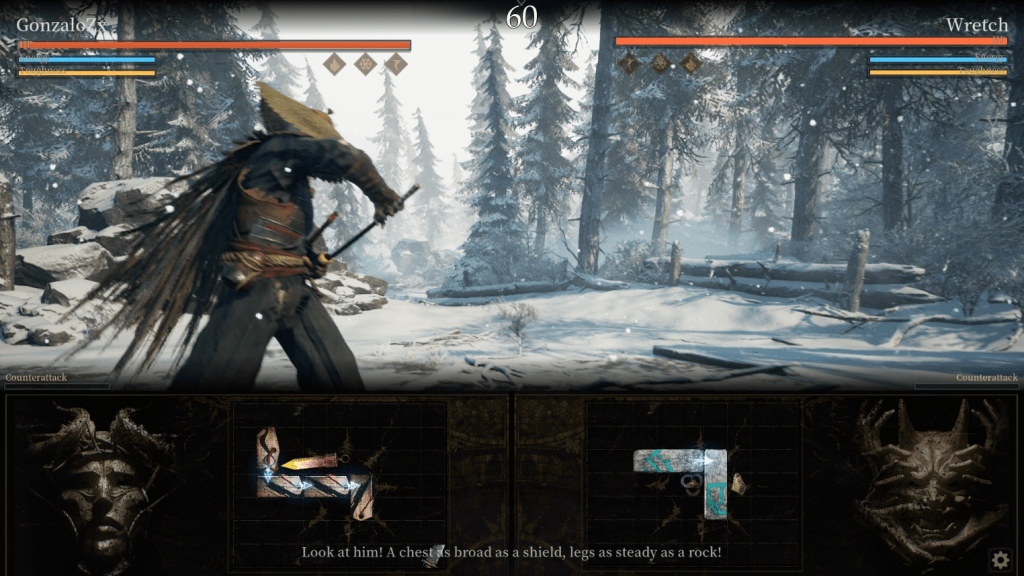
To us at Indie Games Tavern, Wretch: Divine Ascent is a strategically rich and refreshingly brutal take on the auto-battler genre. Its backpack-based combo system and item fusion mechanics make building your battle strategy feel very tactical and personal. The PvP ladder structure encourages mastery, and the dark medieval art style complements the serious, competitive tone.
At its price point and with its depth, it’s a compelling game for players who enjoy optimization, experimentation, and strategic one-on-one battles. That said, it’s less likely to appeal to those who dislike steep learning curves, prefer purely casual play, or want large, narrative-driven single-player content.
Who Should Play It?
- Strategic Players: If you love games where building the right combo or loadout matters deeply, this is for you.
- Auto-battler Fans: Players who like autobattlers but feel many are too shallow will appreciate the added inventory complexity.
- Competitive PvP Players: Those who enjoy climbing leaderboards, refining their builds, and playing duels will find a lot of value here.
- Experimenters / Theorycrafters: If you enjoy testing weird item synergies, fusion recipes, or unorthodox builds, this game gives you the tools.
- Dark Fantasy Enthusiasts: The aesthetic and tone will resonate with players who enjoy grim or medieval fantasy settings.
Who Might Wait or Skip It?
- Casual Players: If you prefer relaxing gameplay without heavy strategy, the complexity may feel too demanding.
- Solo-Only Gamers: If PvP isn’t your thing and you want an elaborate single-player campaign, this might disappoint.
- Newcomers to Strategy Games: Players unfamiliar with inventory- or build-based systems might feel lost early on.
- Those Who Dislike Meta Games: If you worry about “dominant combos” and meta stagnation, you may wait for post-launch balance.
- Budget-Conscious Players: Even though it’s reasonably priced, if you want to make sure you’ll enjoy it long-term, waiting for reviews or more content could be wise.
Wretch: Divine Ascent Review by Indie Games Tavern.
Your cozy corner of indie gems. We’re more than just a indie game review channel, we’re a sanctuary for the unsung heroes of indie gamedev. Born from a love of the underdog, the quirky, and the downright brilliant, the Indie Games Tavern is your trusty guildhall for discovering the finest indie games—those hidden gems, wild experiments, and heartfelt labors that big studios often overlook. Picture this: a weathered oak table laden with scrolls—each a indie game review penned by your tavern scribes, folks like me who’ve braved the pixelated wilds to bring you tales of triumph, terror, and everything in between.
 Indie Games Tavern
Leave a comment