
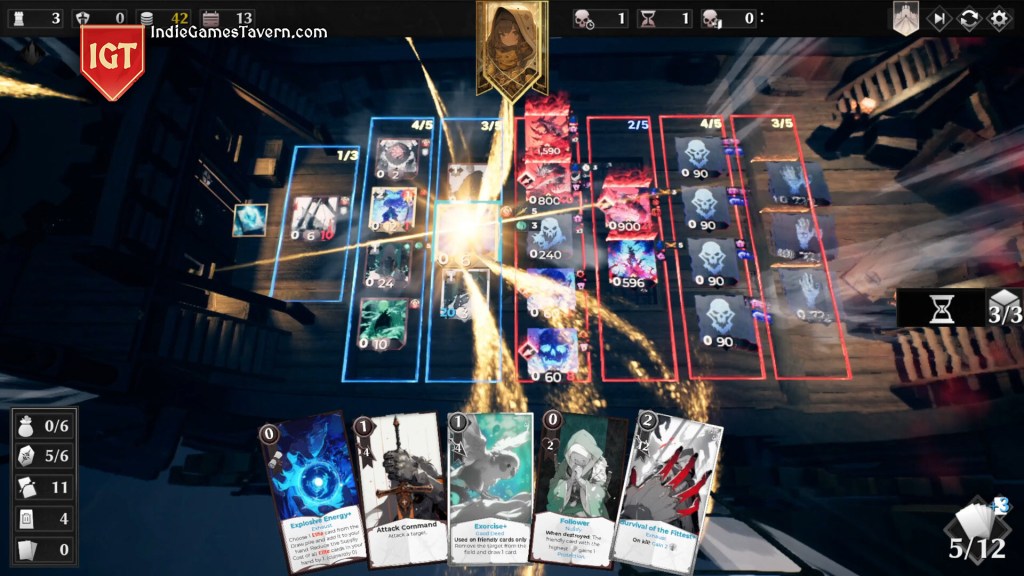
FrostBound is a roguelike, deck-building + tower-defense hybrid from indie gamedev Lyra Studio, released on November 26, 2025. This new indie game is set in a frozen, post-apocalyptic winter world, players must defend the last bastion of humanity against endless waves of enemies using a deep card and base-building system. FrostBound offers over 500 cards, multiple factions, upgradeable structures, and permadeath-style run-based gameplay — aiming to combine strategic decision-making with replayable roguelike tension.
Let’s follow us at Indie Games Tavern to dive in this indie game review, now!
Gameplay & Core Loop
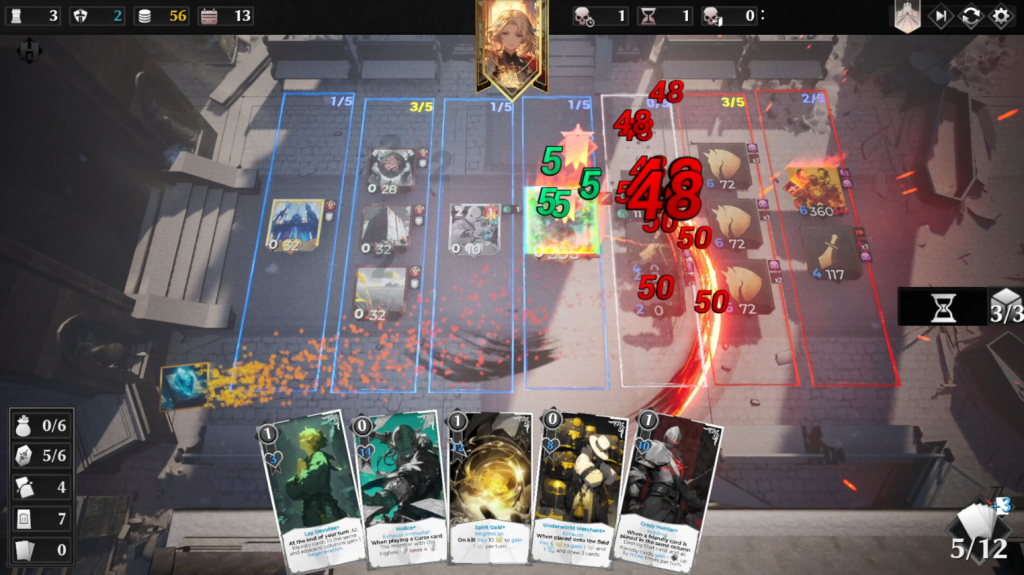
- Deck-building + Tower-Defense Core: Each run begins by selecting a hero and building a deck from a huge shared pool (500+ cards). Cards include Attack, Defense, Skill, Structure, and “Elite”. Cards drive both troop deployment and buildings on the battlefield.
- Turn-based, Tactical Defense: The game uses a grid-like battlefield (7×5 grid) where each turn you either deploy/position units or launch attacks. After one turn, most units must retreat (due to the harsh winter), leaving only structures or elite units to hold the line — making positioning and timing critical.
- Hero & Faction Variety: There are 10 starting heroes, each with unique signature abilities. There are also 4 factions, each with distinct playstyles — you can combine cards/factions for interesting synergies.
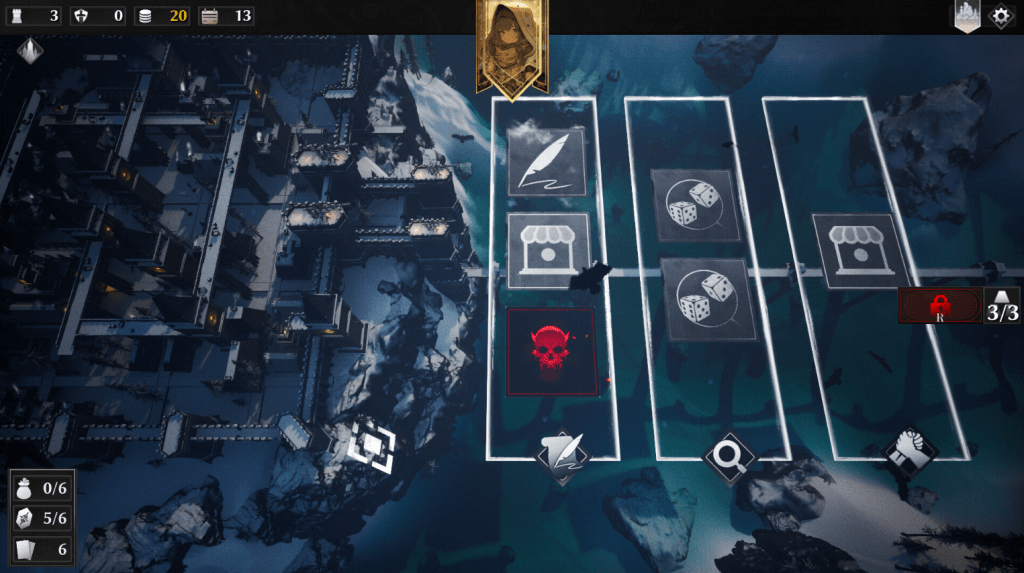
- Upgradeable Bases & Structures: Over 100 upgradable buildings or structures can be built — letting you shape defenses, resource generation, or battlefield effects based on your deck and strategy.
- Enemy Waves & Roguelike Progression: Each run challenges you against 70–80+ enemy types (foot soldiers, elites, possibly bosses). Fail or succeed, runs vary thanks to procedural or deck-driven randomness.
- Scale Difficulty & Replayability: According to launch materials, the game includes multiple difficulty levels, with scaling enemy waves and modifiers like “fortifications” or “beacons” that reshape each run.
We Indie Games Tavern make it short here: build your deck → deploy units / build defenses → fight waves under winter’s harsh rules → survive or die → try again with new combinations. This is an amazingly hooked core loop which is carefully crafted by the indie gamedev Lyra Studio.
What Works Really Well
✅ Strategic Depth & Flexibility
With 500+ cards, 4 factions, many structures, and hero-specific abilities, FrostBound gives a wide base for experimentation. You’re encouraged to try unexpected synergies between factions, decks, and base layouts. That variety helps the game stay fresh across multiple runs.
✅ Hybrid Mechanics That Complement Each Other
Deck-building + tower-defense + roguelike elements — this mix works surprisingly well. The “deploy then retreat” mechanic (units forced to withdraw after a turn) makes building lasting fortifications important, turning what could be a simple card game into a deeper strategic tower-defense challenge.
✅ High Replayability & Procedural Variation
Because each run has the potential to differ (cards drawn, hero chosen, structures built, enemies faced), there’s replay value — players can chase different deck-archetypes, build strategies, and “comebacks.” The game encourages learning from failure and experimenting.
✅ Theme & Atmosphere Fit the Mechanics
The frozen-wasteland / eternal winter setting gives context to the harsh mechanics: retreating units due to cold, building defenses to survive a brutal world. Thematically coherent design makes the harsh, punishing gameplay feel earned rather than arbitrary.
✅ Indie Value & Ambitious Scope
For an indie title, FrostBound packs a lot: a large card pool, multiple factions, upgradeable base elements, procedural runs. It’s ambitious (one of the reasons why we decided to write this indie game review), and for players who appreciate indie games that try to blend systems thoughtfully, this feels like a solid offering at launch price.
Areas for Improvement & Considerations
⚠️ Complexity & Learning Curve
Because there are many interlocking systems (cards, factions, heroes, base-building, unit deployment + retreat logic), new players may feel overwhelmed. The depth can be rewarding — but also intimidating if you just want a simple tower-defense or card game.
⚠️ Balancing Is Hard — Likely to Be Rough Early On
With 500+ cards + many combos + procedural elements, balance is a challenge. Some combinations may be overpowered or lead to “win-by-default,” while others may feel weak or punishing. Indeed, developers themselves note balancing as a “huge, ongoing task.”
⚠️ Permadeath / Run-Based Structure May Feel Harsh
The roguelike model means failure is always a risk, and some runs might end abruptly due to unlucky draws or early mistakes. For players used to more forgiving games, this could be frustrating.
⚠️ Unclear Long-Term Meta / Replay Saturation
While initial plays may feel fresh, over many runs there is a risk that despite 500 cards, patterns may emerge — builds may converge on “optimal,” reducing variety. Without broad enough card/structure variety or regular updates, replayability might plateau.
⚠️ Early Access / Indie Constraints
As a small-studio indie release, certain features — UI polish, tutorialisation, content variety — may not reach AAA quality. For some players, interface roughness or lack of depth in narrative/world might feel like trade-offs.
Final Thoughts
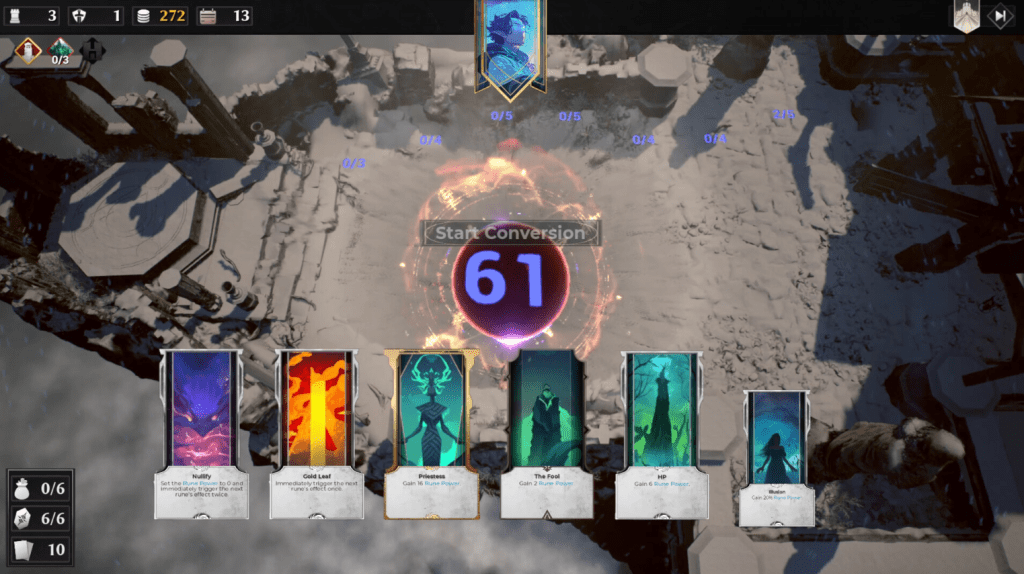
FrostBound is a solid, ambitious, and potentially very rewarding deck-building + tower-defense roguelite. For players who enjoy tinkering with decks and strategies, who don’t mind complexity and permadeath, and who relish the challenge of optimizing builds under harsh constraints — this game offers a rich playground. The hybrid design, large card pool, and varied mechanics make it stand out among many indie card/defense games.
To us at Indie Games Tavern, it’s not a “casual pick-up” game. The complexity, rogue-style risk, and potential balance roughness mean that perfectionists or casual players might want to approach cautiously. But for the right kind of strategic, patient player, FrostBound is a promising title with a lot of potential which is perfect for us to write this indie game review.
Who Should Play It?
- Fans of Deck-building + Strategy + Roguelike mashups — if you enjoy games like card-based roguelikes, but also like base/tower defense mechanics.
- Players Who Appreciate Depth & Experimentation — if you like optimizing deck & structure synergies, testing different heroes/factions, and learning from failures.
- Indie Game Enthusiasts — people who like to support indie studios doing ambitious hybrid-design work.
- Replay-oriented Gamers — if you enjoy multiple runs, evolving builds, and don’t mind permadeath or randomness.
- Challengers / Tacticians — those who enjoy difficult, strategic, sometimes punishing games where every decision counts.
7Who Might Wait or Skip It?
- Casual Players or “Relaxing Game” Seekers — the game’s depth and difficulty may feel too heavy for a casual session.
- Players Who Dislike RNG or Permadeath — if you prefer predictable progression or story-driven campaigns, the roguelike structure may frustrate you.
- Those Expecting High-Level Polish / Narrative — for players wanting AAA polish, cinematic story, or deep lore, the indie constraints may disappoint.
- Meta-Balance Seekers — if you dislike potential imbalance, overpowered combos, or the “meta-build” grind, you might want to wait for patches and community feedback.
FrostBound Review by Indie Games Tavern.
Your cozy corner of indie gems. We’re more than just a indie game review channel, we’re a sanctuary for the unsung heroes of indie gamedev. Born from a love of the underdog, the quirky, and the downright brilliant, the Indie Games Tavern is your trusty guildhall for discovering the finest indie games—those hidden gems, wild experiments, and heartfelt labors that big studios often overlook. Picture this: a weathered oak table laden with scrolls—each a indie game review penned by your tavern scribes, folks like me who’ve braved the pixelated wilds to bring you tales of triumph, terror, and everything in between.
 Indie Games Tavern
Leave a comment