
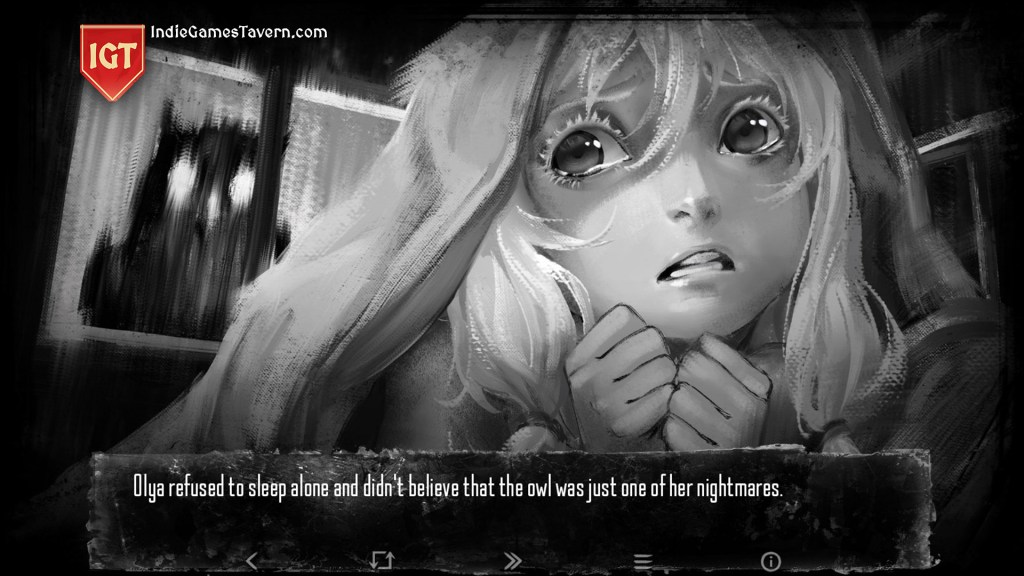
Tiny Bunny is a horror visual-novel / interactive story game developed by the indie gamedev Saikono (and Sokar), originally released in early access in 2021, but its full, 5-episode version was completed in December 2025. This indie title places you in a cold, snow-covered Siberian forest village where children begin disappearing — you play as a young boy, thrust into a chilling mystery that blurs reality with nightmares. Tiny Bunny promises a non-linear horror story: your choices matter, and the atmosphere, art style, and narrative aim to deliver a deep psychological horror experience.
Let’s follow us at Indie Games Tavern to dive in this indie game review, now!
Gameplay & Core Loop
- Interactive Horror Visual Novel: Tiny Bunny is not action or platformer — it’s a story-driven experience. You read through scenes, dialogue, descriptive text, and make choices at critical moments. These choices influence how events unfold, relationships with characters, and which of multiple potential endings you reach.
- Branching Narrative & Multiple Endings: The plot changes depending on your decisions. The moral state of the protagonist, the fate of other characters, and the final outcome all depend on your choices — encouraging replay if you want to see every variation.
- Episodic Structure: Originally episodic and released in parts; now with 5 episodes completed. As of the end-2025 update, the full story is available.
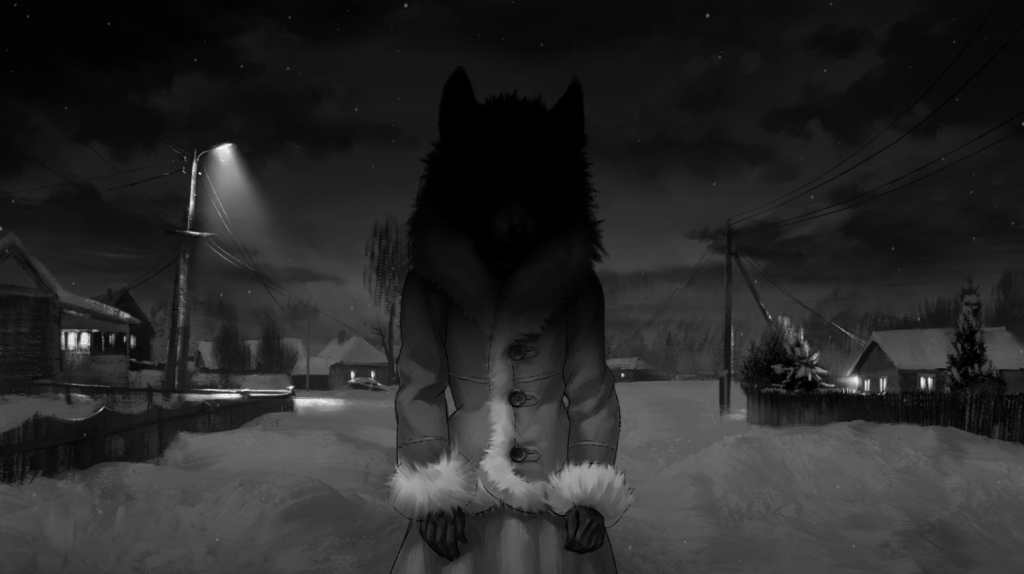
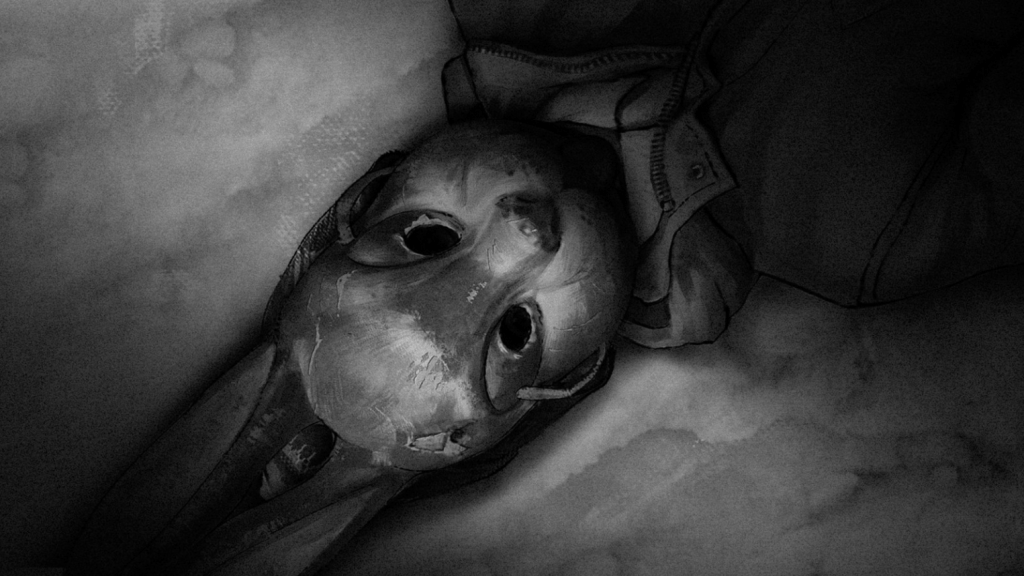
- Atmosphere, Art & Sound: The game uses a stark black-and-white (monochrome / pencil-sketch) style for visuals, giving a bleak, horror-graphic novel feel. Music and sound design, along with the art, aim to build a sense of dread, mystery, and oppressive tension.
- Psychological Horror & Mystery: Rather than relying on constant gore or jump scares, horror in Tiny Bunny is psychological: isolation, hallucinations or nightmare sequences, fear of the unknown — horror that lingers through mood, story, and atmosphere.
Because there’s no “core loop” of mechanics or combat, the core engagement is: read → choose → experience consequences → reflect → repeat if you want different paths.
What Works Really Well
✅ Distinctive Horror Atmosphere & Art Style
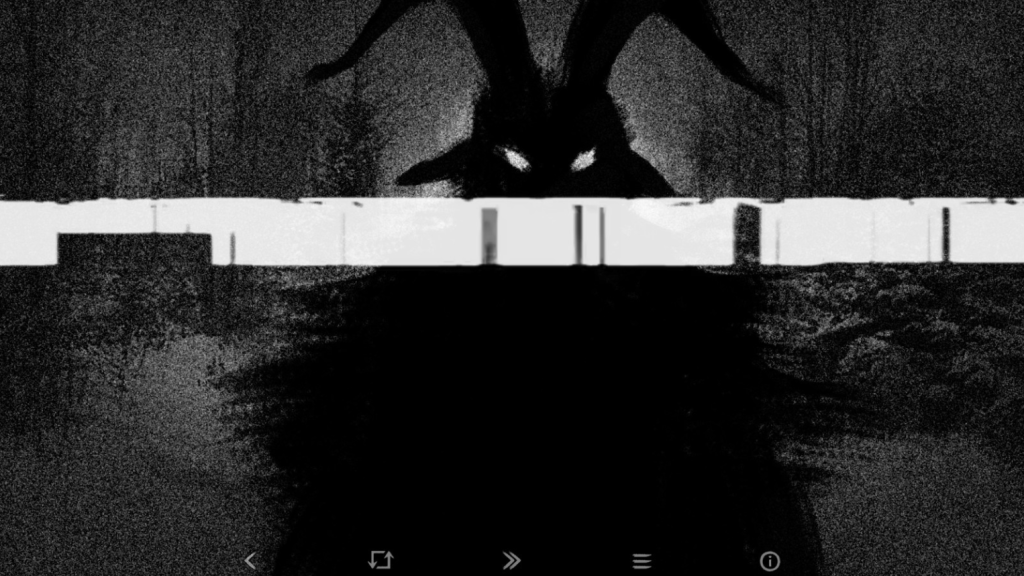
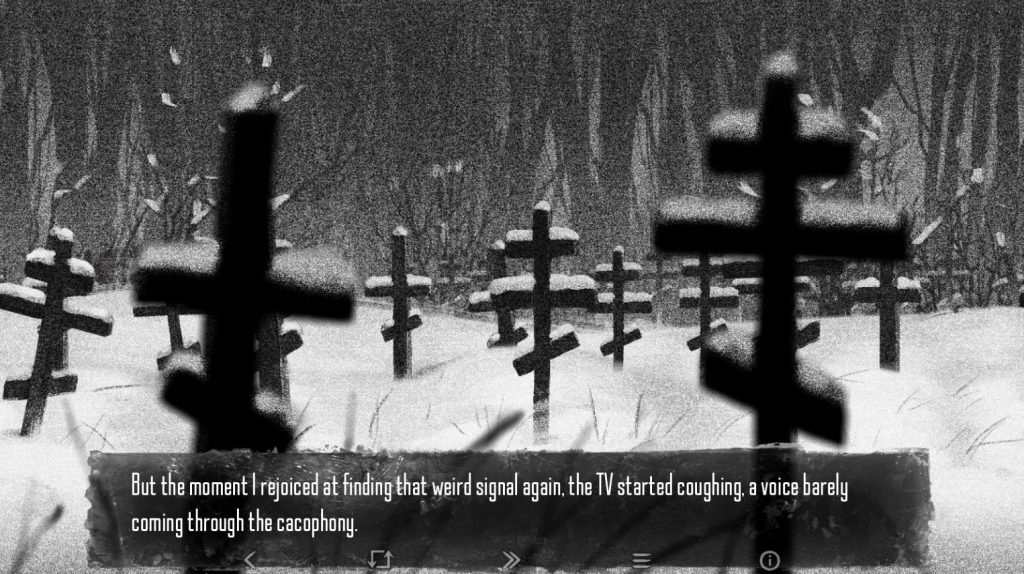
Tiny Bunny’s hand-drawn black-and-white aesthetic and careful use of sound and narrative tone create a mood that many players find unforgettable. The oppressive forest, snow, isolation, and creeping dread make horror feel atmospheric rather than sensationalized. Reviewers often cite the visuals+music combo as standout.
✅ Meaningful Choices & Replay Potential
Because the story branches depending on decisions, and multiple endings are possible, choices “matter.” That gives this indie title replay value: if you care about seeing all outcomes, you’ll likely go through it more than once to explore different paths.
✅ Strong Story + Horror That Gets Under Your Skin
The core narrative — disappearance of children, strange voices from the forest, a sense of creeping dread — builds tension gradually. Many players say the horror isn’t cheap jump scares but unsettling mystery and psychological horror that stays with you.
✅ Accessible for Horror-VN & Indie-Game Fans
Tiny Bunny runs on modest hardware, supports multiple languages (interface and subtitles), and plays as a classic visual novel — no complex controls or heavy demands. Great for players who enjoy story + horror without needing reflexes or major time investment.
Areas for Improvement & Considerations
⚠️ Pacing & Text-Heavy Nature Might Not Suit Everyone
As a visual novel, much of Tiny Bunny is reading. If you prefer gameplay, action, or faster pacing, the “read -> choose -> read more -> choose again” format may feel slow or tedious. Several reviews mention that long narrative passages can drag.
⚠️ Horror Can Be Intense / Disturbing
This indie game involves themes of child disappearance, violence (physical and psychological), and unsettling horror. It may be emotionally heavy or unpleasant for some — triggers include gore, psychological distress, and dark themes. The steam page includes mature content warning.
⚠️ Not All Players Agree on the Story / Ending / Themes
While many praise the narrative and ending, some players find certain plot turns controversial or uncomfortable (especially scenes involving children). For those sensitive to such content, Tiny Bunny can be polarizing.
⚠️ Limited Interactivity — It’s a Novel, Not a Game Mechanic-Heavy Title
If you’re looking for mechanics — combat, puzzles, platforming — Tiny Bunny doesn’t offer that. It is fundamentally a story experience. For players expecting more “gameplay,” it may disappoint.
⚠️ Cultural / Setting Specificity
Tiny Bunny draws heavily on a specific setting: a cold Russian/Siberian village, cultural references from the 1990s (for some players), and horror rooted in regional folklore or sensibilities. That can make atmosphere powerful — but some players unfamiliar with that context may find parts less resonant or harder to relate to.
Final Thoughts
Tiny Bunny is a standout horror visual novel — a slow-burning, atmospheric, psychologically unsettling story that succeeds through tone, art, narrative choices, and mood rather than cheap scares. If you’re open to heavy themes, enjoy branching storylines, and appreciate horror rooted in mystery and psychological tension, Tiny Bunny delivers a memorable and potentially haunting experience.
It’s not a “gameplay-heavy” title; it’s more like an interactive horror novel. As long as you approach it on those terms, it’s one of the best indie horror visual novels I’ve seen — especially after full release.
To us at Indie Games Tavern, in short: Highly recommended for horror-VN fans, atmospheric story-lovers, and players who appreciate mood, mystery, and moral-driven narrative.
Who Should Play It?
- 🎧 Fans of horror and psychological horror — if you enjoy unsettling, emotionally heavy stories rather than action.
- 📚 Players who like interactive fiction / visual novels — enjoy reading, making choices, and seeing branching outcomes.
- 🔁 Replay-oriented gamers — those who enjoy exploring different story paths and endings based on choices.
- 🖤 Indie-game supporters — people who appreciate creative, low-budget horror games with strong atmosphere over AAA titles.
- 🧑🎓 Players with patience for narrative and willingness to get immersed in slow, mood-driven tension.
Who Might Wait or Skip It?
- 🎮 Players seeking action, mechanics, or gameplay depth — if you want combat, puzzles, or dynamic gameplay, this isn’t the game for you.
- ✨ Those who dislike dark, disturbing themes — the horror here involves child disappearance, psychological horror, and potentially distressing scenes.
- 💤 People wanting fast pacing or light content — the read-heavy, slow-build narrative may feel long or heavy.
- 🕹️ Gamers expecting replayable gameplay loops — since it’s a story-focused visual novel, replay value is mostly through exploring narrative, not mechanics.
- 📺 Players looking for polish & large-scale production values — as an indie VN with hand-drawn graphics, it’s more modest than big-budget horror games.
Tiny Bunny Review by Indie Games Tavern.
Your cozy corner of indie gems. We’re more than just a indie game review channel, we’re a sanctuary for the unsung heroes of indie gamedev. Born from a love of the underdog, the quirky, and the downright brilliant, the Indie Games Tavern is your trusty guildhall for discovering the finest indie games—those hidden gems, wild experiments, and heartfelt labors that big studios often overlook. Picture this: a weathered oak table laden with scrolls—each a indie game review penned by your tavern scribes, folks like me who’ve braved the pixelated wilds to bring you tales of triumph, terror, and everything in between.
 Indie Games Tavern
Leave a comment